Four types of space that every Japanese restaurant must have, and a proper layout can boost restaurant profits
Source:
|
Author:Yuki
|
Published time: 2024-05-28
|
117 Views
|
🔊 Click to read aloud
❚❚
▶
|
Share:
Japanese restaurants, known for their distinct culinary artistry and immersive dining experiences, require well-planned layouts to maximize customer satisfaction and profitability. By optimizing the use of space, restaurants can enhance the dining experience, improve operational efficiency, and increase revenue. Here are four essential types of space that every Japanese restaurant must have, along with insights into how a proper layout can significantly boost profits.
1. Welcoming Entrance Area
Importance:The entrance area is the first point of contact between the restaurant and its patrons. A well-designed entrance sets the tone for the dining experience and can influence customer perceptions.
Key Features:
Aesthetic Appeal: Incorporate traditional Japanese elements such as lanterns, shoji screens, or a small zen garden to create an inviting atmosphere.
Efficient Flow: Ensure the entrance allows for smooth movement of guests, preventing congestion and maintaining a sense of calm.
Comfortable Waiting Area: Provide seating for guests waiting to be seated, enhancing their comfort and reducing perceived wait times.
2. Intimate Dining Spaces
Importance:Creating intimate dining spaces can enhance the overall dining experience, making customers feel valued and encouraging repeat visits.
Key Features:
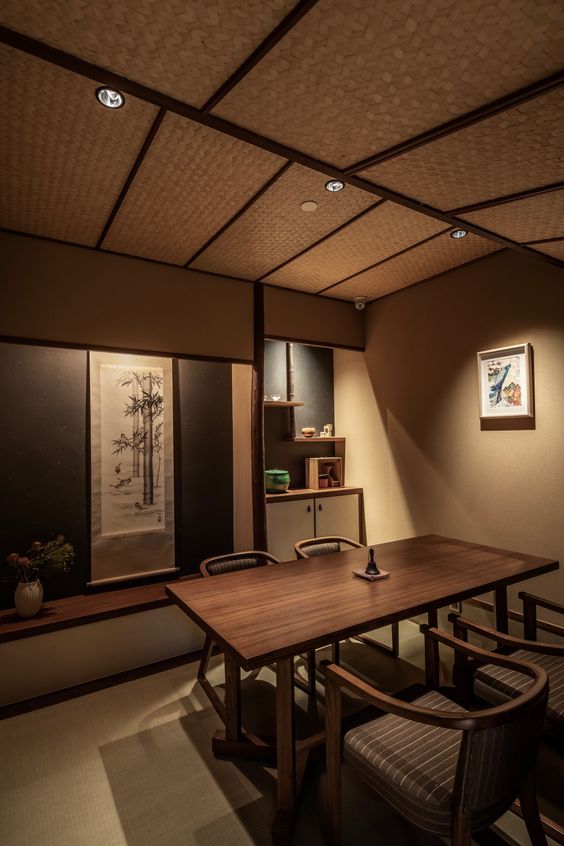
Private Booths and Tatami Rooms: Offer options for private dining with traditional tatami rooms or cozy booths, catering to different customer preferences.
Ambient Lighting: Use soft, warm lighting to create a relaxing atmosphere.
Strategic Table Placement: Arrange tables to provide privacy and a sense of exclusivity, while maintaining an efficient flow for servers.
3. Efficient Kitchen and Service Areas
Importance:The kitchen and service areas are the heart of any restaurant. Efficiently designed spaces can streamline operations, reduce wait times, and improve service quality.
Key Features:
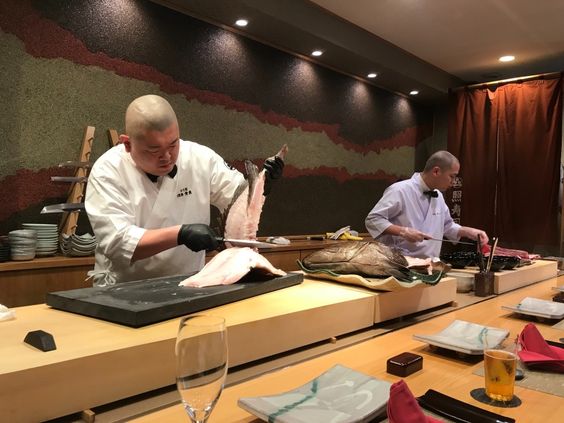
Open Kitchen Concept: An open kitchen not only adds to the dining experience by allowing customers to see the chefs at work but also ensures better communication between the kitchen and service staff.
Ergonomic Design: Ensure that the kitchen layout minimizes unnecessary movement and maximizes efficiency.
Adequate Storage: Provide ample storage space for ingredients and supplies to maintain a smooth workflow.
4. Versatile Multi-Purpose Spaces
Importance:Versatile spaces can adapt to different functions, enhancing the restaurant’s ability to host various events and cater to diverse customer needs.
Key Features:
Event Hosting: Design spaces that can be easily reconfigured to host private events, parties, or corporate gatherings.
Seasonal Adaptability: Ensure that spaces can be adjusted to accommodate seasonal changes or special promotions.
Flexible Seating Arrangements: Use modular furniture that can be rearranged to suit different group sizes and event types.
Boosting Profits Through Proper Layout
A well-thought-out layout can significantly enhance a restaurant’s profitability by improving customer satisfaction and operational efficiency. Here are some strategies to consider:
Maximize Seating Capacity: Use space efficiently to increase the number of seats without compromising comfort.
Enhance Customer Flow: Design pathways and seating arrangements that allow for smooth movement of customers and staff.
Optimize Service Efficiency: Position service stations strategically to reduce staff travel time and improve response times.
Create Memorable Experiences: Invest in unique design elements and interactive experiences that encourage word-of-mouth promotion and repeat visits.


