What are the common decorative elements used in Japanese restaurants?
Source:
|
Author:Yuki
|
Published time: 2024-05-28
|
136 Views
|
🔊 Click to read aloud
❚❚
▶
|
Share:
Japanese restaurants are known for their distinctive and elegant decor that often reflects traditional Japanese aesthetics. Here are some common decorative elements used in Japanese restaurants:
1. Shoji Screens
2. Tatami Mats
Description: Mats made from woven straw and fabric borders.
Purpose: Covering floors in dining areas, often in tatami rooms where guests can dine seated on the floor.
3. Bamboo
Description: Versatile plant used in various forms such as poles, fencing, and accents.
Purpose: Adds a natural and rustic element to the decor, often used in walls, ceilings, or as decorative accents.
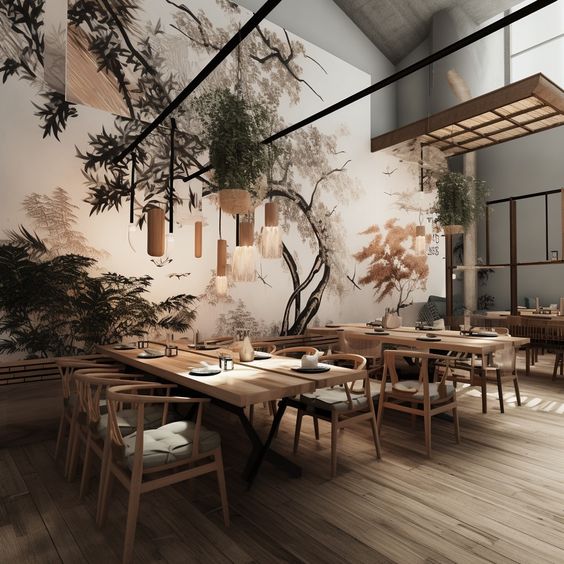
4. Ikebana (Flower Arrangements)
Description: The Japanese art of flower arrangement.
Purpose: Creates a serene and elegant atmosphere, often placed on tables or in entryways.
5. Koi Ponds and Water Features
Description: Ponds with koi fish or small indoor water features.
Purpose: Enhances the tranquil ambiance, bringing a touch of nature indoors.
6. Lanterns
Description: Traditional paper or stone lanterns.
Purpose: Provides soft lighting and adds a traditional touch, often used both indoors and outdoors.
7. Calligraphy and Artwork
Description: Scrolls, paintings, and calligraphy often depicting Japanese characters or nature scenes.
Purpose: Adds cultural and artistic elements to the decor, usually displayed on walls.
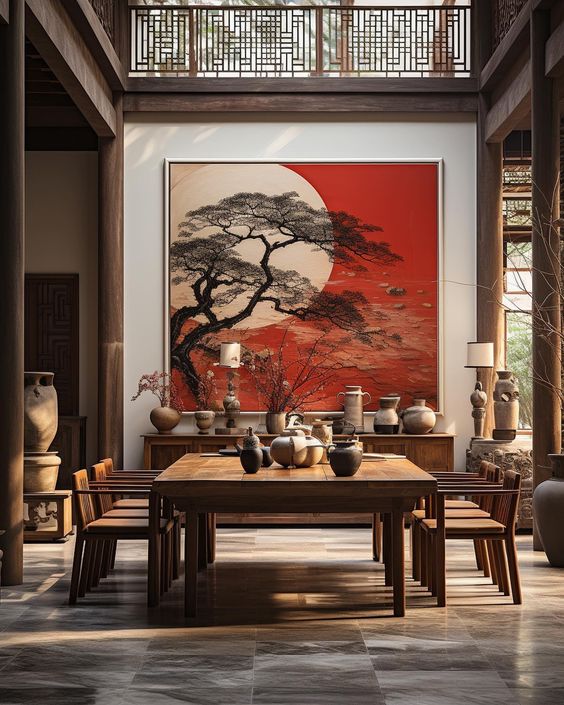
8. Wooden Elements
Description: Natural wood used in furniture, beams, and other structures.
Purpose: Brings warmth and authenticity, reflecting traditional Japanese architecture.
9. Zen Gardens
Description: Miniature gardens with sand, stones, and minimal plant life.
Purpose: Symbolizes simplicity and tranquility, often used as table centerpieces or in small outdoor areas.
10. Noren Curtains
Description: Short fabric dividers hung in doorways.
Purpose: Adds privacy and a touch of tradition, often emblazoned with the restaurant's name or logo.
11. Sake Barrels
Description: Decorative barrels used for sake.
Purpose: Adds an authentic touch, often displayed near the entrance or in the bar area.
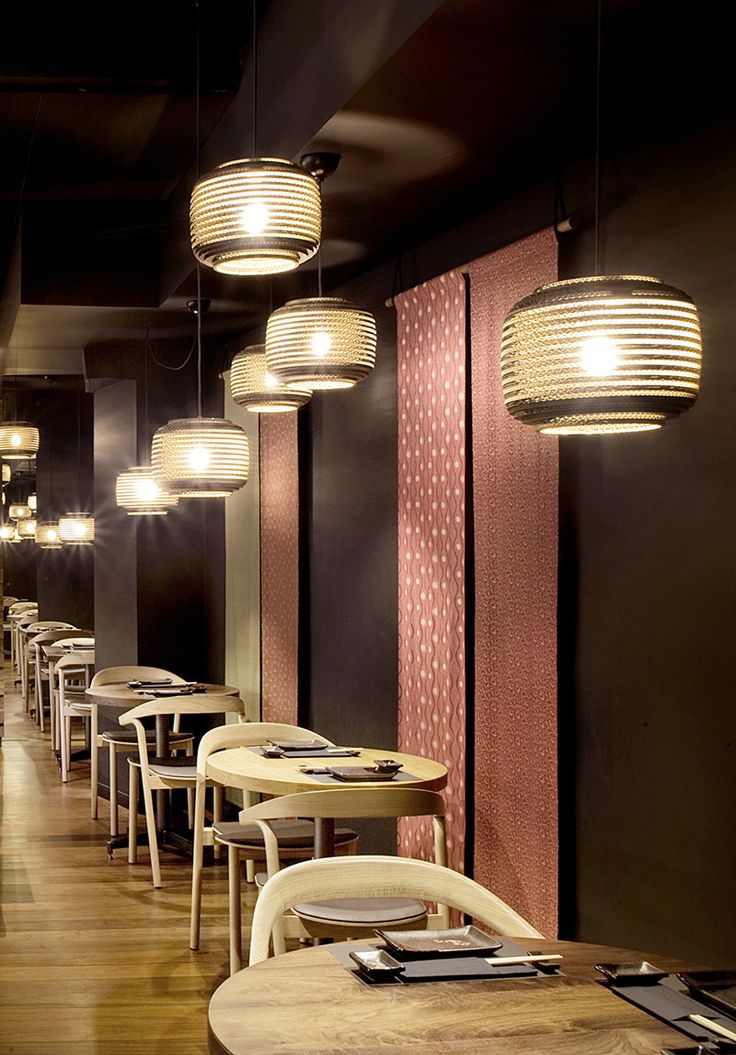
12. Minimalist Furniture
Description: Simple, low-profile tables and chairs, often made of wood.
Purpose: Reflects the minimalist aesthetic of Japanese design, creating an uncluttered dining space.
13. Natural Lighting
14. Japanese Gardens
Description: Outdoor gardens with stone pathways, plants, and water features.
Purpose: Creates a peaceful outdoor dining or viewing area, often seen in larger restaurants.
15. Stone and Pebble Paths
Description: Pathways made of stones or pebbles.
Purpose: Enhances the natural and traditional feel, often used in entryways or garden areas.


