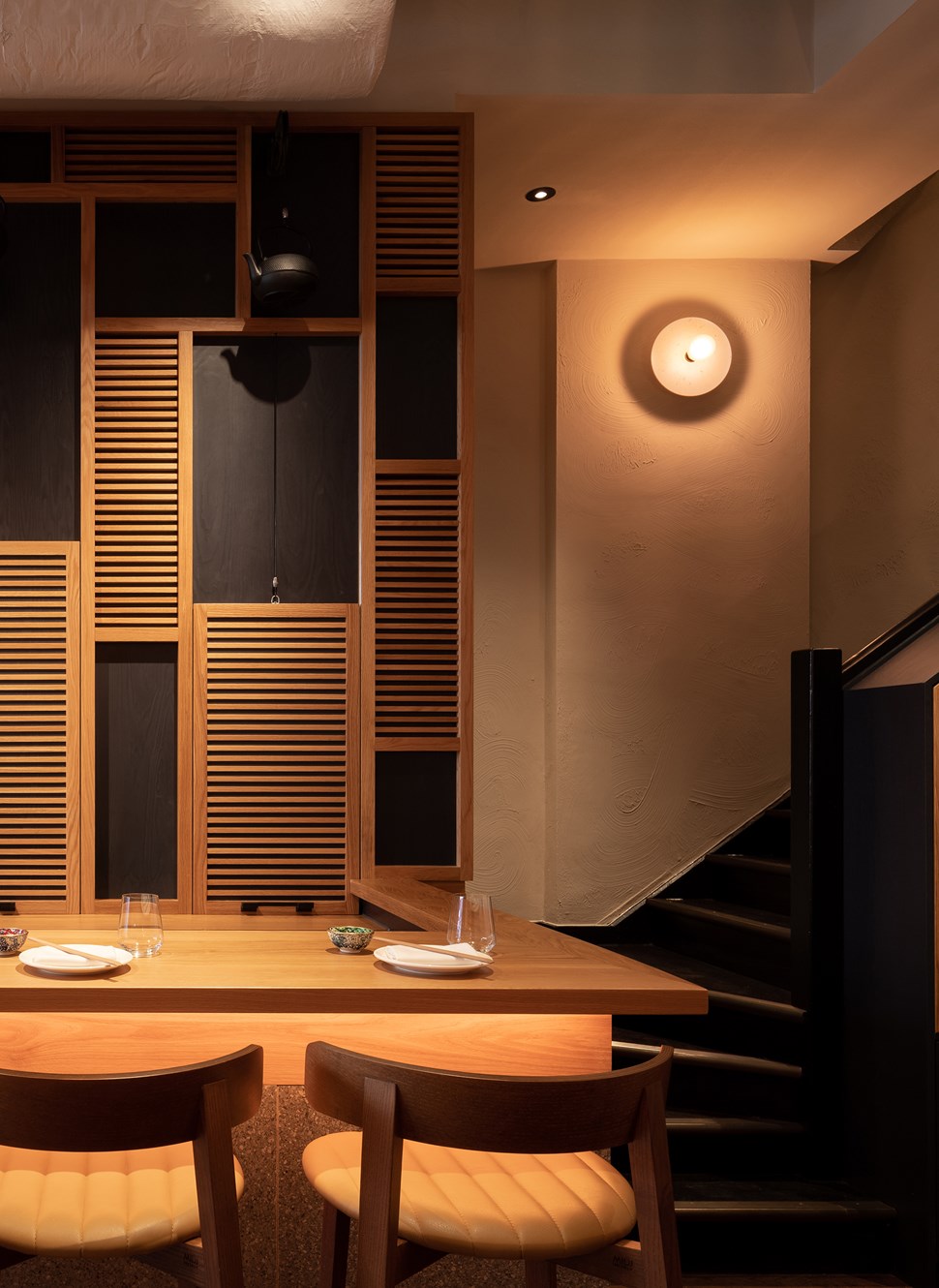
Reference ten of the most popular Japanese restaurants and find that they are all portraying this style!
Source:
|
Author:Yuki
|
Published time: 2024-05-28
|
85 Views
|
🔊 Click to read aloud
❚❚
▶
|
Share:
Japan's rich culinary tradition has made a significant impact worldwide, with Japanese restaurants becoming a favorite choice for food enthusiasts. The style, ambiance, and culinary excellence of these restaurants play a crucial role in their popularity. Here are ten of the most popular Japanese restaurants known for their unique portrayal of traditional and modern Japanese dining styles:
Sukiyabashi Jiro, Tokyo
Renowned for its impeccable sushi, Sukiyabashi Jiro is an iconic Michelin-starred restaurant. The minimalist décor, focused on the sushi bar, emphasizes simplicity and precision.
Narisawa, Tokyo
Raku, Las Vegas
Nobu, New York City
Mizumi, Las Vegas
Sushi Nakazawa, New York City
Kyubey, Tokyo
Katsuya, Los Angeles
Hatsune, Beijing
Sushi Taro, Washington, D.C.
Summary of Key Style Elements in Popular Japanese Restaurants
These restaurants showcase a blend of traditional and modern elements that define the popular Japanese dining style:
Minimalist Design: Emphasis on simplicity, often featuring clean lines and natural materials like wood and stone.
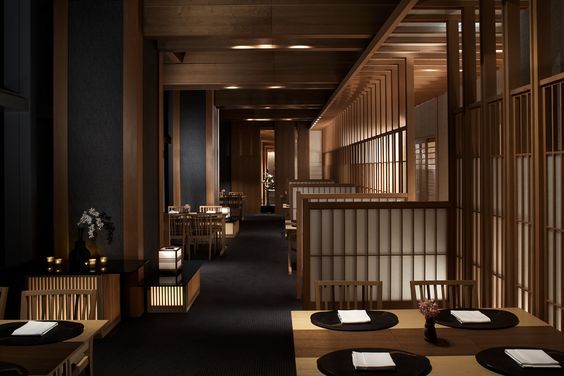
Chef-Focused Layout: Many restaurants highlight the chef's expertise with open kitchens or sushi bars.
Elegant Ambiance: A luxurious yet serene atmosphere is common, enhancing the dining experience.
Fusion Influences: Some restaurants incorporate elements from other cuisines, blending traditional Japanese flavors with modern techniques.
Attention to Detail: Both in cuisine and decor, there is a meticulous focus on detail and presentation