1. The Importance of Balance
When plating a dish, balance is paramount. This involves not only the balance of flavors but also the proportions of the components on the plate. Ensure that the protein, starch, and vegetables are in harmony, providing a pleasing visual and culinary experience.
2. Choosing the Right Plate
The plate is your canvas, and its size, color, and shape can significantly impact the presentation. White plates are a classic choice as they create a blank slate that makes the colors of the food pop. However, experimenting with different styles can add a unique flair to your dishes.
3. Highlighting the Main Ingredient
The main ingredient should always be the star of the plate. Arrange other components in a way that draws the eye to the primary element. This can be achieved through positioning, garnishes, or even the choice of complementary colors.
4. Creating Visual Interest
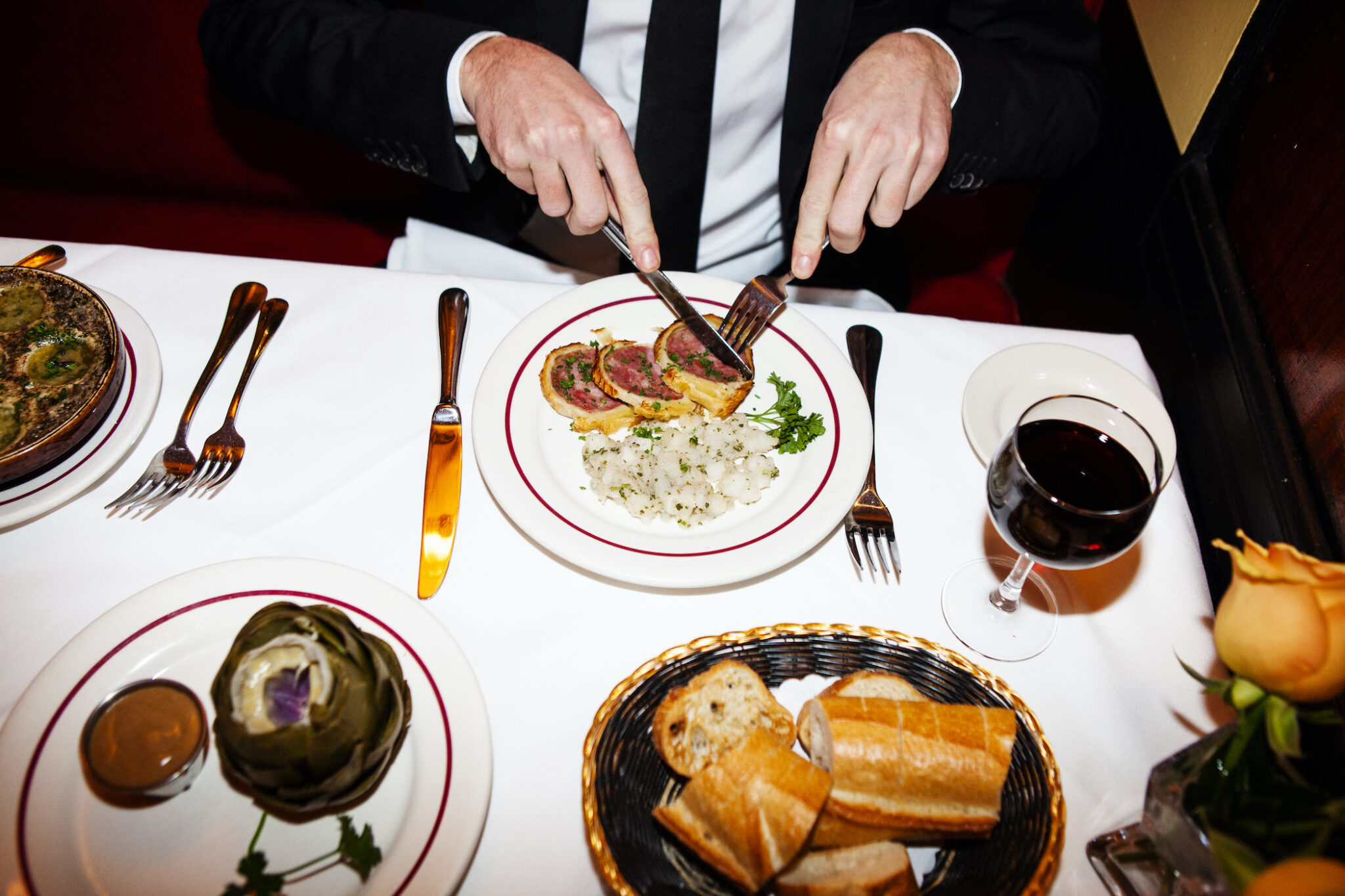
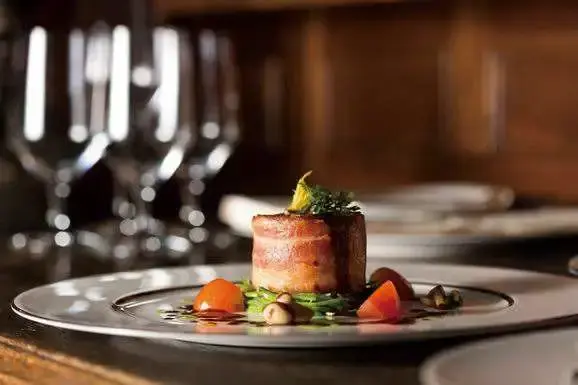
Use height and layers to create a visually interesting plate. Stack elements or use a mold to give structure. Adding height can make the dish look more dynamic and sophisticated.
5. Color Coordination
A visually appealing dish often has a variety of colors. Use vegetables, sauces, and garnishes to add vibrant hues to the plate. Aim for a balance of warm and cool colors to make the dish more enticing.
6. Texture Contrast
Incorporate different textures to add depth to the dish. A combination of crispy, smooth, and creamy elements can create a more enjoyable eating experience and an appealing visual contrast.
7. Sauce Placement
Sauces should complement the dish without overwhelming it. Use a squeeze bottle or a brush to create artistic swirls or dots. This not only enhances the flavor but also adds a decorative element to the plate.
8. Garnishing with Purpose
Garnishes should be edible and should enhance the overall flavor of the dish. Fresh herbs, microgreens, or edible flowers can add a touch of elegance and a burst of color.
9. Attention to Detail
Fine dining is all about the details. Wipe the edges of the plate clean before serving, and ensure that each component is placed with precision.
Practical Tips for Novice Chefs
Practice Makes Perfect: Plating is an art that improves with practice. Experiment with different techniques and styles to find what works best for you.
Stay Updated with Trends: Culinary trends evolve, and staying updated with current plating styles can keep your presentations modern and appealing.
Learn from the Best: Study the plating styles of renowned chefs. Observe how they use color, texture, and balance to create stunning dishes.
Photography as a Tool: Take photos of your plates. This not only helps in documenting your progress but also allows you to see your work from a different perspective.


