1. Focus on Lighting
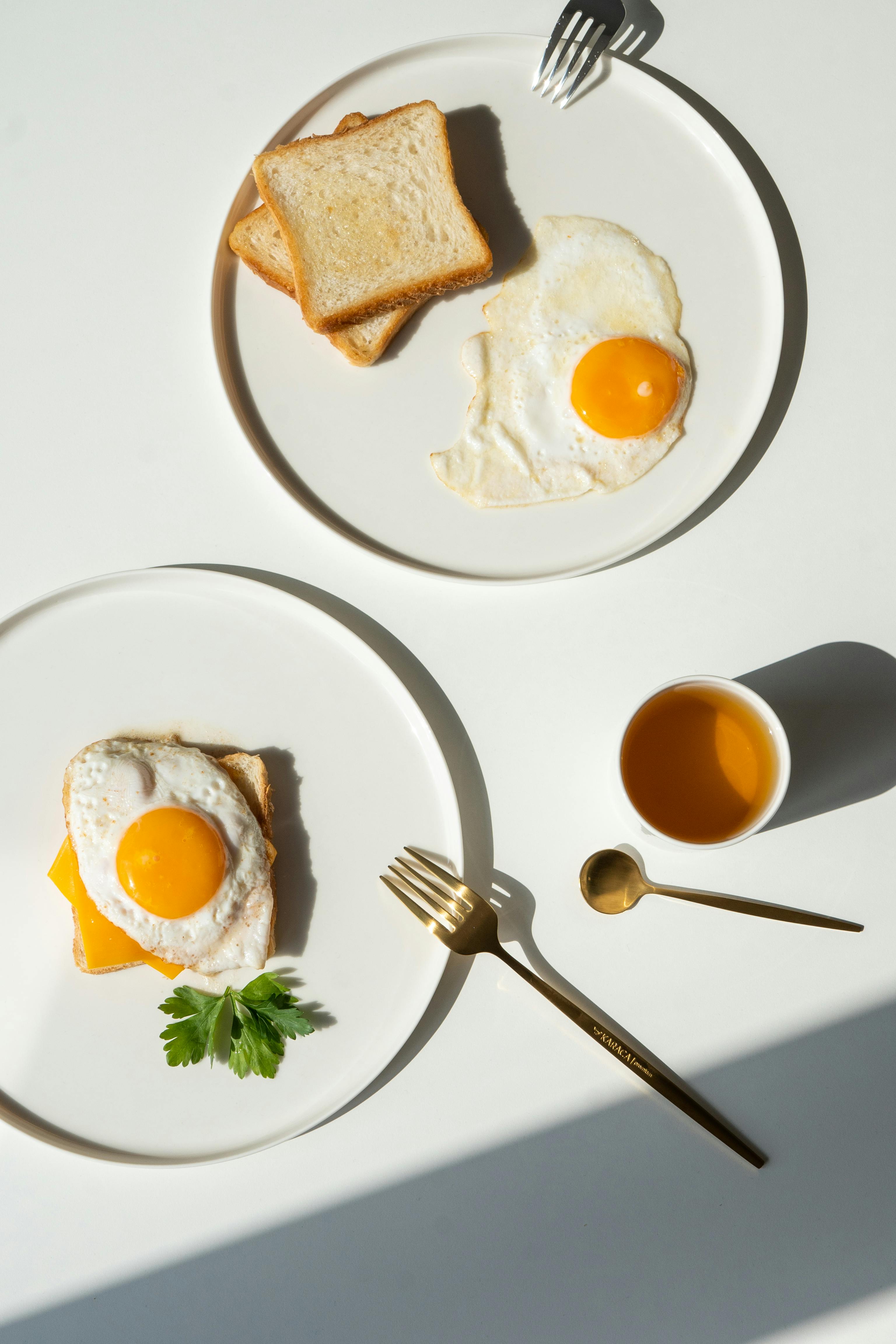
Natural Light: The best photos are often taken in natural light. It brings out the colors and textures of the food, making it look more appetizing. Early morning or late afternoon light is ideal.
Avoid Direct Sunlight: Direct sunlight can cause harsh shadows. Instead, use indirect natural light by placing the dish near a window with a sheer curtain.
Artificial Lighting: If natural light isn't available, invest in good quality artificial lights. Softbox lights can mimic natural light and help avoid harsh shadows.
2. Presentation is Key
Plating: The presentation of the dish is crucial. Use clean, simple plates that contrast with the food colors. Garnish with fresh herbs, edible flowers, or a drizzle of sauce to add a finishing touch.
Props: Use props that complement the dish. Rustic wooden boards, elegant cutlery, and fresh ingredients around the plate can enhance the visual appeal.
Background: Choose a background that complements the dish without overwhelming it. Rustic wooden tables, marble countertops, or simple white backgrounds work well.
3. Composition Techniques
Rule of Thirds: Divide the frame into nine equal parts using two horizontal and two vertical lines. Place the main subject along these lines or at their intersections for a balanced composition.
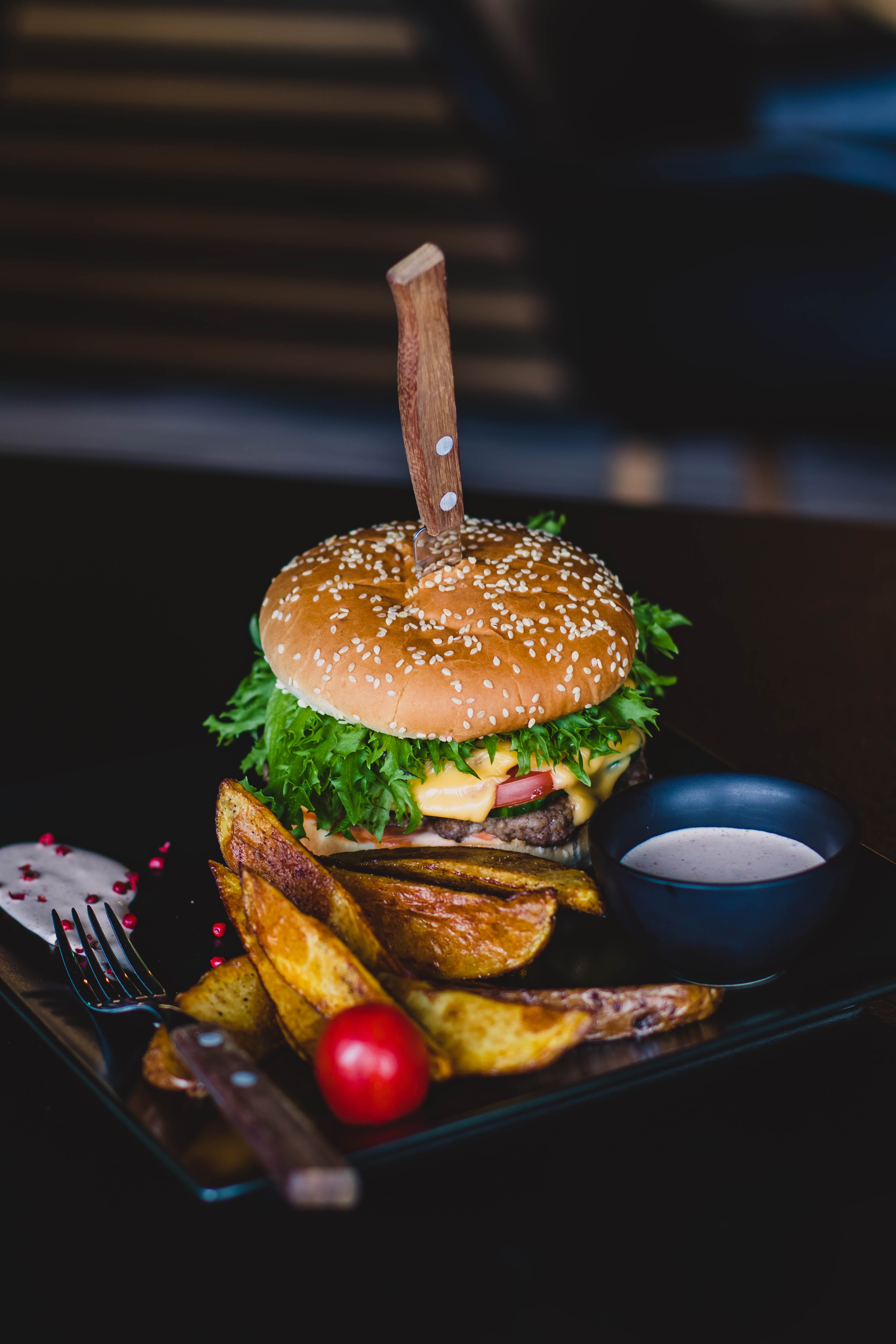
Leading Lines: Use elements in the frame to lead the viewer’s eye towards the main subject. This could be the curve of a fork, a knife, or the edge of a table.
Depth of Field: Use a shallow depth of field to keep the main subject in sharp focus while blurring the background. This technique draws attention to the food and adds a professional touch.
4. Editing for Perfection
Adjust Brightness and Contrast: Slight adjustments in brightness and contrast can make the food look more vibrant.
Color Correction: Enhance the natural colors of the food. Be careful not to overdo it, as this can make the food look unnatural.
Sharpening: A slight increase in sharpness can make the details pop, making the food look more appealing.
5. Captions and Hashtags
Engaging Captions: Write engaging captions that tell a story about the dish. Include interesting facts, the story behind the recipe, or a personal anecdote.
Relevant Hashtags: Use popular and relevant hashtags to increase the post's visibility. Some popular hashtags include #ItalianFood, #FoodPhotography, #Foodie, and #InstaFood.
6. Consistency and Timing
Post Regularly: Consistency is key on Instagram. Regular posting keeps your audience engaged and coming back for more.
Optimal Timing: Post during peak times when your audience is most active. This varies, but generally, late mornings and evenings are good times.
7. Engage with Followers
Respond to Comments: Engage with your audience by responding to comments. This interaction can increase engagement and attract more followers.
User-Generated Content: Encourage customers to share their own photos of your dishes and repost them on your profile. This not only builds community but also provides authentic content.
8. Collaborations and Influencers
Partner with Influencers: Collaborate with food influencers who have a significant following. Their endorsement can attract more likes and followers.
Host Contests: Host photo contests where followers can submit their own food photos. Offer a prize for the best photo to increase participation.


