After years of polished minimalism and highly staged interiors, restaurant design is moving toward something warmer and more personal. One of the most visible expressions of this shift is grandmacore restaurant design, an approach inspired by family homes, traditional cooking, inherited objects and the familiar atmosphere of eating at a grandparent’s table.
Sometimes described as “nonna-stalgia,” this style is appearing in Italian, French, Mexican, Middle Eastern and other heritage-driven restaurants. Its appeal extends beyond vintage decoration. When handled properly, it creates an emotional connection between the menu, the interior and the cultural story behind the restaurant.
For operators, however, nostalgia must remain commercially practical. The goal is not to reproduce an old house, but to translate familiar warmth into a comfortable, durable and efficient dining space.
Begin with a Cultural Story, Not Random Decoration
A common mistake is treating grandmacore as a collection of vintage props. Too many clocks, floral curtains, antique cabinets and mismatched ornaments can make a restaurant feel artificial and cluttered.
A stronger concept begins with one clear cultural reference. An Italian family restaurant might use dark walnut furniture, warm plaster walls and patterned ceramic serving plates. A French bistro could combine bentwood chairs, aged brass lighting and restrained floral textiles. A Middle Eastern restaurant might introduce carved walnut details, woven fabrics and decorative sharing platters.
Authenticity comes from consistency and relevance, not from filling every surface with old objects. A few meaningful details usually create a more convincing atmosphere.
Choose Nostalgic Furniture with Commercial Performance
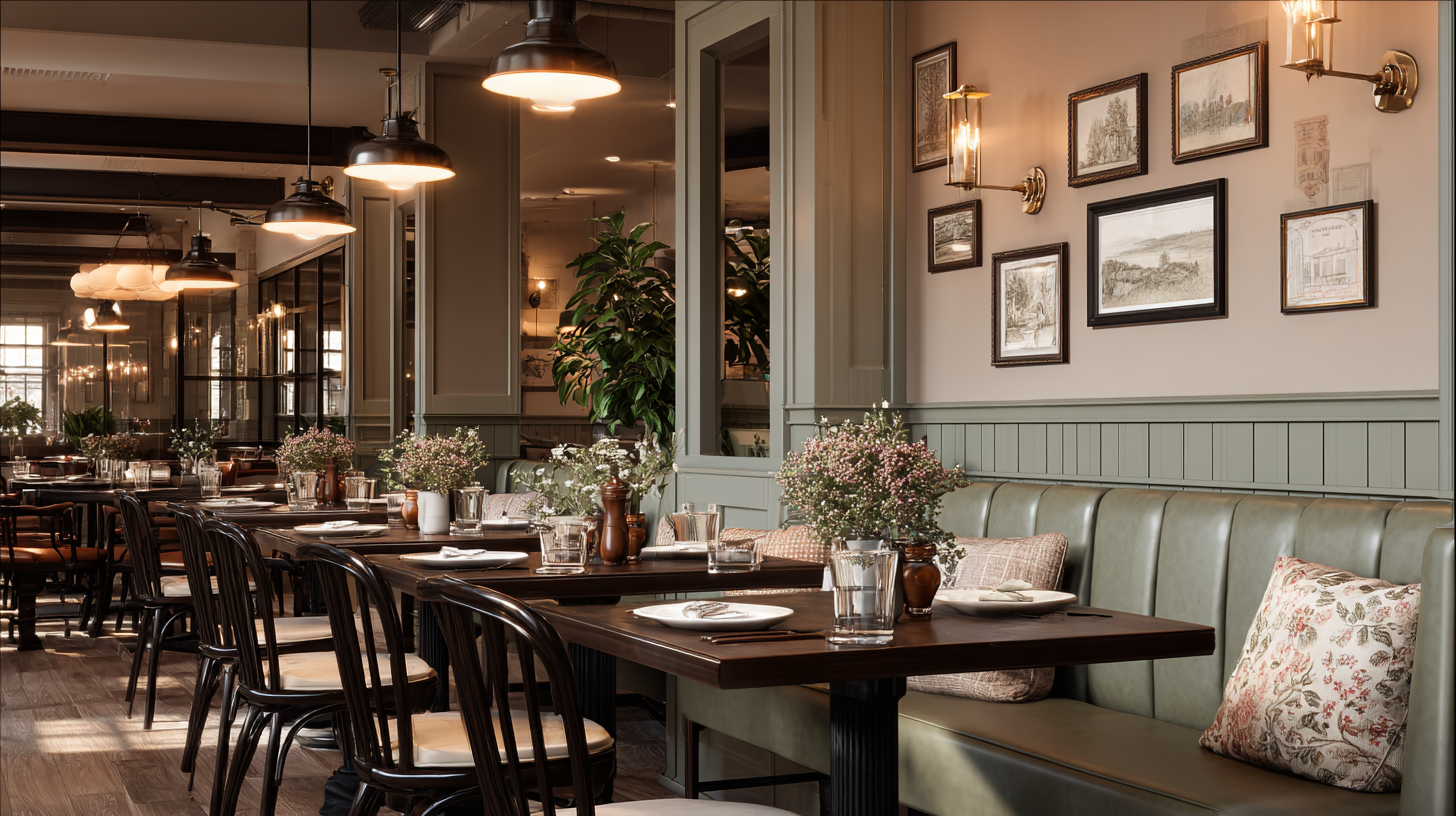
Furniture carries much of the character in a nostalgic restaurant. Rounded chair backs, visible wood grain, comfortable upholstery and wall-side booths create a softer and more familiar setting than sharp-edged minimalist furniture.
Dark walnut dining chairs with warm beige upholstered seats can be paired with walnut-veneer tables supported by simple black metal pedestal bases. Muted olive leather booth seating adds privacy and improves the use of wall areas without making the interior overly formal.
The construction must still meet commercial requirements. Chairs should be easy to move, table bases must provide adequate legroom, and upholstery should withstand frequent cleaning. Vintage-inspired furniture should look established without behaving like fragile antique furniture.
Use Tableware to Strengthen the Story
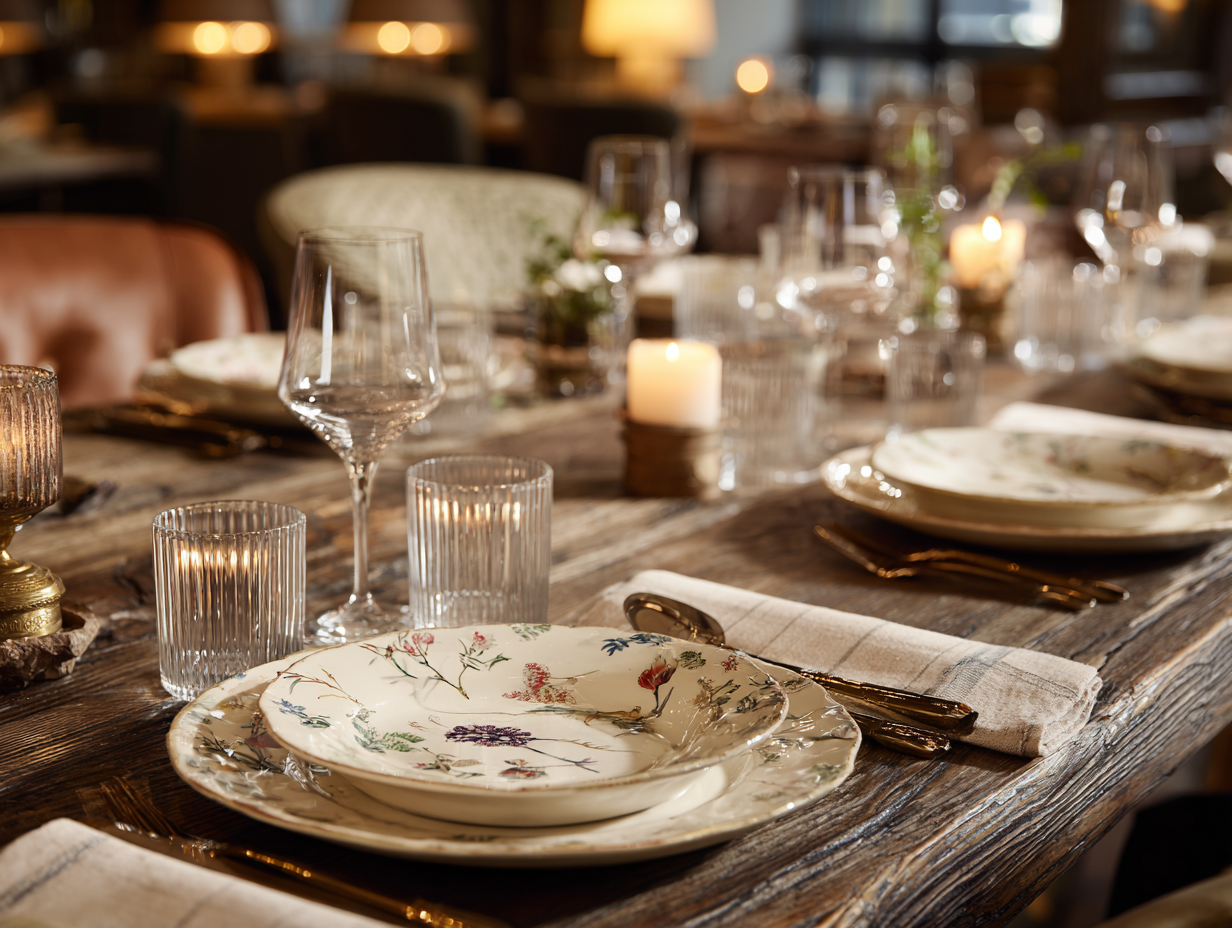
Tableware can communicate tradition more directly than decorative objects because guests interact with it throughout the meal. Ivory ceramic plates, subtle botanical patterns, softly irregular rims and muted glaze variations fit naturally into a grandmacore setting.
Instead of covering every item with an elaborate pattern, restaurants can combine simple main plates with more expressive serving bowls or sharing platters. The shapes should also match the menu: deep plates support pasta and sauced dishes, while wide platters work well for shared dining.
Commercial durability remains essential. Tableware should be suitable for frequent washing, efficient stacking and repeated daily service. The best nostalgic tableware feels connected to the restaurant’s history while performing reliably in a modern operation.
Create Warm Lighting Without Sacrificing Function
Grandmacore interiors usually benefit from layered lighting rather than bright, uniform illumination. Aged brass pendants, fabric-shade wall lamps and small decorative lights can highlight wood, ceramics and textured walls.
However, the restaurant should not become too dark. Guests must be able to read menus comfortably, food should retain its natural color, and service routes need adequate visibility. Warm ambient lighting should therefore be supported by focused light above tables and brighter illumination near operational areas.
Keep the Layout Clean and Contemporary
The most successful nostalgic restaurants are not completely old-fashioned. Their materials may feel traditional, but their layouts remain organized and efficient.
Clear aisles, uncluttered entrances and well-positioned service stations give the space modern functionality. Vintage objects should be grouped into a few meaningful displays rather than scattered across every wall. Modern ventilation, acoustic treatment and lighting controls can be integrated discreetly.
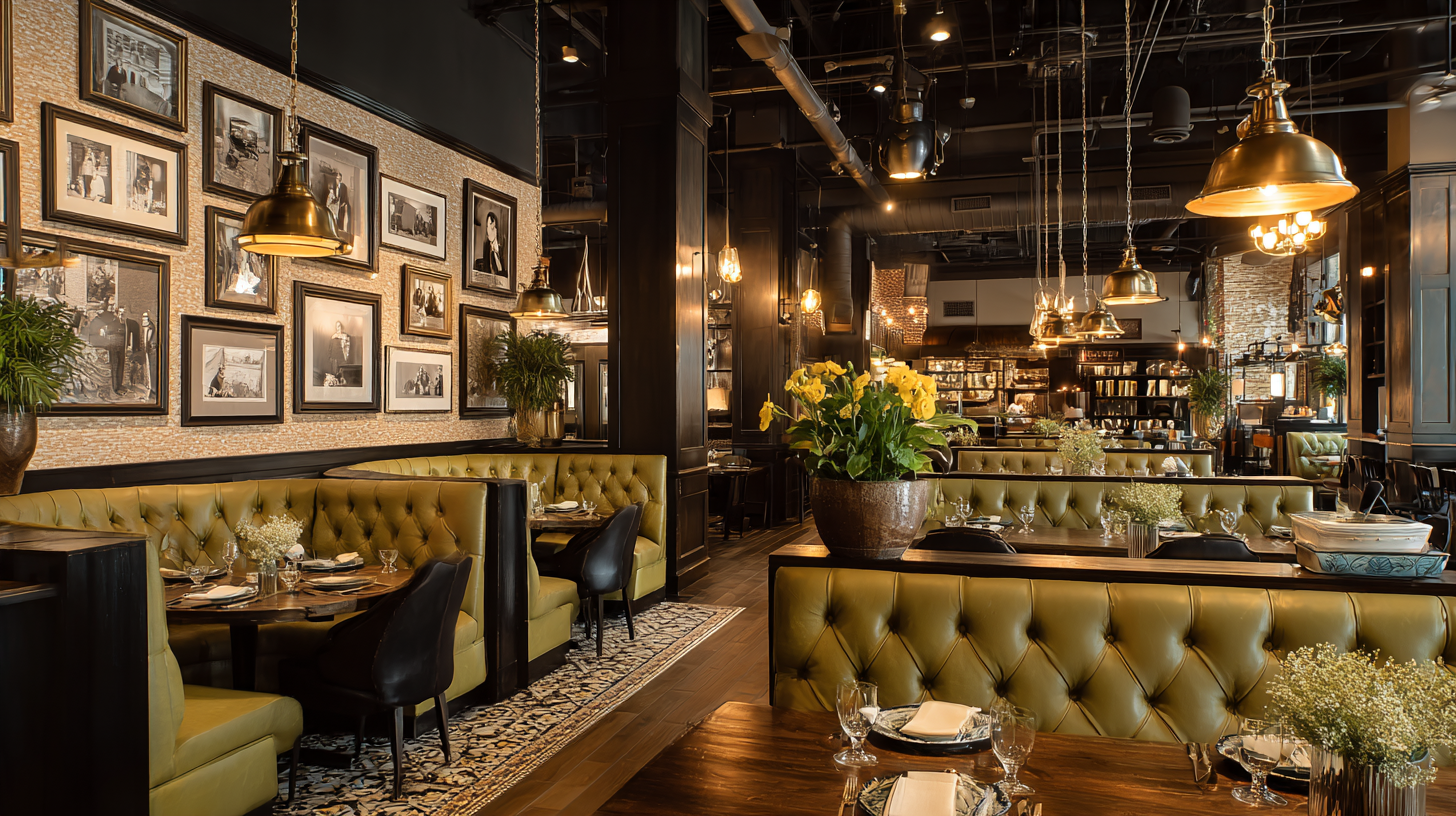
This approach is especially useful for restaurant groups. A consistent furniture and tableware system can be repeated across locations, while local photographs, artwork and decorative pieces give each branch an individual character.
Nostalgia Should Support the Brand
Grandmacore may be receiving renewed attention in 2026, but a successful nostalgic restaurant cannot rely on trend-driven decoration alone. It needs a genuine menu, a believable cultural reference and materials that can withstand daily commercial use.
Restaurant owners should identify which memories, dining rituals and visual details truly belong to their concept. These elements can then guide the selection of furniture, tableware, lighting and decoration.
When nostalgia is supported by commercial durability and thoughtful planning, it creates a restaurant that feels familiar, distinctive and memorable.
RON GROUP provides coordinated restaurant design, custom furniture, tableware and hospitality procurement solutions, helping restaurant owners turn a clear concept into a practical and consistent commercial space.


