Opening a restaurant is exciting, but it is also one of the most detail-heavy projects in hospitality. Many operators focus heavily on the menu, logo, and decoration, yet underestimate how much furniture, tableware, kitchen equipment, and daily service supplies affect the guest experience after opening day.
A successful restaurant is not built by purchasing products at the last minute. It requires early planning, clear priorities, and a practical understanding of how the space will operate every day. The dining room must feel comfortable, the kitchen must support efficient production, and every detail should arrive in time for installation, training, and soft opening.
This restaurant opening checklist is designed for restaurant owners, cafés, bars, hotels, QSR brands, and hospitality buyers who want to prepare their projects with less stress and fewer costly mistakes.
1. Start with the Restaurant Concept and Layout
Before purchasing furniture or equipment, operators should first define the restaurant concept and layout. A fine dining restaurant, casual bistro, hotel dining room, café, buffet restaurant, and fast casual brand all require different seating plans, table settings, kitchen workflows, and service supplies.
The layout should be planned around real operations, not only visual appearance. Entrance flow, waiting areas, dining zones, service aisles, cashier counters, kitchen access, bar areas, storage, and outdoor seating all need to work together. Good planning starts before purchasing, because every product should support the restaurant’s actual business model.
2. Choose Restaurant Furniture That Supports Comfort and Capacity
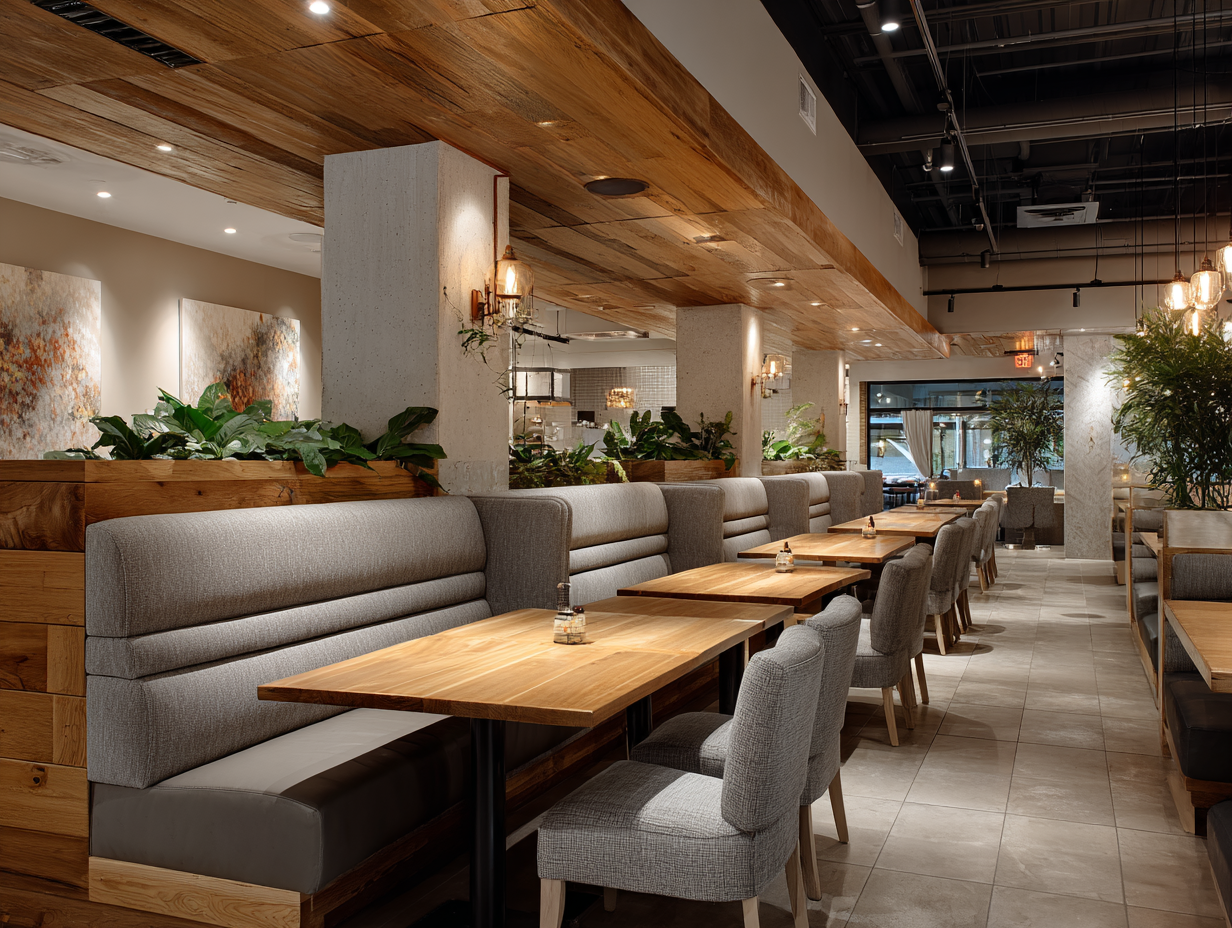
Restaurant furniture is one of the most important investments in the dining area because guests use it throughout the entire meal. Tables, chairs, booths, bar stools, outdoor furniture, and waiting benches directly influence comfort, seating capacity, brand atmosphere, and table turnover.
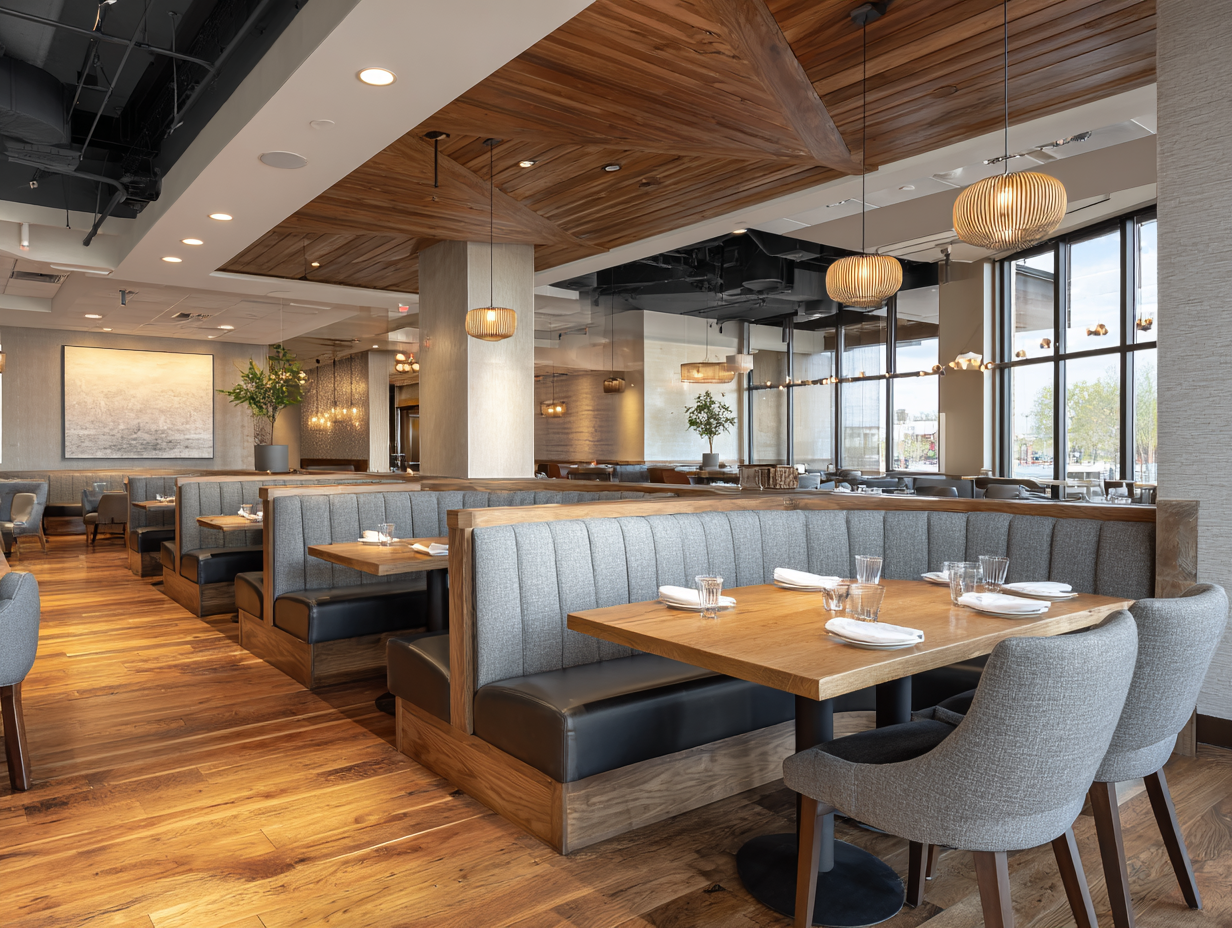
The best furniture layout usually combines fixed and flexible seating. Booths create comfort and privacy, while loose tables and chairs allow restaurants to adapt to different group sizes. Table size should also match the menu and tableware setup, especially for restaurants serving shared dishes, hot pot, barbecue, seafood, or full-service meals. Restaurant furniture should not only look attractive; it should help the restaurant operate smoothly during busy service hours.
3. Select Tableware That Matches the Dining Experience
Tableware is more than a basic operating item. Plates, bowls, glassware, cutlery, trays, and tabletop accessories shape how guests see the food and how professional the restaurant feels.
A modern café may need simple ceramic plates, water glasses, coffee cups, and casual cutlery, while a fine dining restaurant may require charger plates, wine glasses, steak knives, and refined serving pieces. Buffet restaurants and hotels need durable tableware that can handle high-volume service and frequent replacement. When tableware is planned together with the menu, furniture, and service style, the dining experience feels more complete and intentional.
4. Plan Kitchen Equipment Around the Menu
Kitchen equipment should always be selected according to the menu, production process, and expected service volume. A restaurant kitchen must support preparation, cooking, refrigeration, washing, storage, and food safety from the beginning.
A pizza restaurant may need ovens, prep tables, refrigeration, and dough storage, while a steakhouse may require grills, fryers, refrigeration, exhaust systems, and stainless steel workstations. A café may need coffee equipment, display cabinets, ice machines, and compact preparation areas. The best kitchen equipment plan is not the biggest or most expensive one; it is the one that helps the team work efficiently every day.
5. Prepare Barware, Buffet Supplies, Packaging, and Uniforms
Many opening checklists focus on furniture and kitchen equipment, but smaller service items can create serious problems if they are missing before launch. Barware, buffet equipment, trays, trolleys, condiment stations, chafing dishes, drink dispensers, takeaway packaging, napkins, disposable cutlery, and staff uniforms all affect daily operations.
Bars and cafés should prepare glassware, cocktail tools, storage racks, ice buckets, and service trays according to their beverage menu. Hotels, catering companies, and buffet restaurants need reliable food display equipment, warming solutions, and serving utensils. A restaurant is truly ready for launch only when both front-of-house and back-of-house details are prepared.
6. Confirm Customization, Quantity, and Delivery Timeline Early
Restaurant projects often involve custom sizes, materials, colors, logos, packaging, voltage requirements, and shipping arrangements. If these details are confirmed too late, the opening schedule can be affected by production delays, missing items, or last-minute changes.
Operators should confirm specifications, quantities, production time, inspection standards, packaging methods, and delivery plans as early as possible. For overseas restaurant projects, combined procurement can reduce communication complexity and make shipping easier to manage. The earlier the supply plan is organized, the lower the risk of delays before opening.


