This comprehensive analysis explores the pivotal 2026 global restaurant design trends, focusing on biophilic integration, tactile sensory experiences, and flexible layouts. It provides strategic B2B procurement insights on how sustainable materials and innovative tableware and furniture choices can enhance guest engagement and maximize restaurant ROI in a competitive hospitality market.
As we move into 2026, the global hospitality landscape is undergoing a profound transformation. Modern diners are no longer just looking for a meal; they are seeking a sensory-driven escape. For restaurant owners and developers, staying ahead of 2026 restaurant interior design trends is not just about aesthetics—it’s about future-proofing your business and maximizing restaurant ROI.
Here are the defining trends that will shape the dining spaces of 2026.
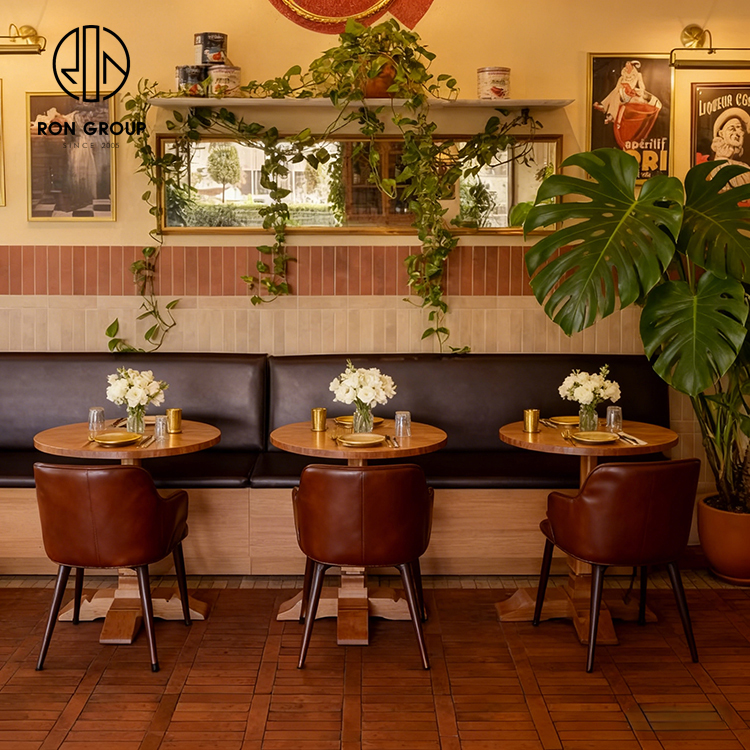
1. Biophilic Design: Bringing the Outside In
The most significant trend for 2026 is biophilic restaurant design. This goes beyond adding a few potted plants; it involves a holistic integration of natural elements.
Why it matters: Research shows that nature-inspired environments reduce stress and increase guest dwell time.
Key Elements: Living green walls, natural skylights, and the use of sustainable materials like reclaimed wood and stone.
Pro-Tip: Pair these spaces with furniture that echoes organic forms to create a seamless transition between nature and architecture.
2. Tactile Dining: The Rise of Sensory Textures
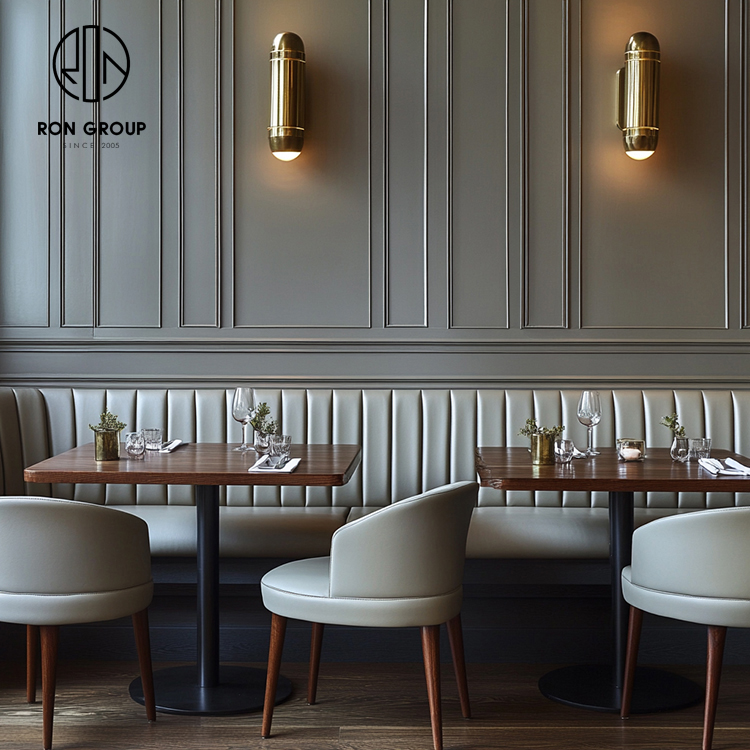
In a world dominated by digital screens, guests are craving physical, tactile dining experiences. In 2026, the focus shifts from "how a room looks" to "how it feels."
The Trend: Designers are moving away from cold, polished surfaces toward matte finish surfaces and raw, "imperfect" textures.
Implementation: Think of stone-textured wall finishes, textured upholstery, and matte melamine dinnerware that mimics the feel of handcrafted stoneware.
The Goal: Every touchpoint—from the chair's armrest to the plate on the table—should communicate quality and craftsmanship.
3. Adaptive & Flexible Layouts
The hospitality industry must be agile. Flexible restaurant layouts are becoming a necessity for 2026.
Modular Solutions: Restaurants are investing in stackable commercial furniture and modular booths that can be easily reconfigured for private events or large-scale banquet hosting.
Zoning: Using lighting and mobile partitions to create "micro-environments" within a single large space, allowing a cafe by day to transform into an intimate bistro by night.
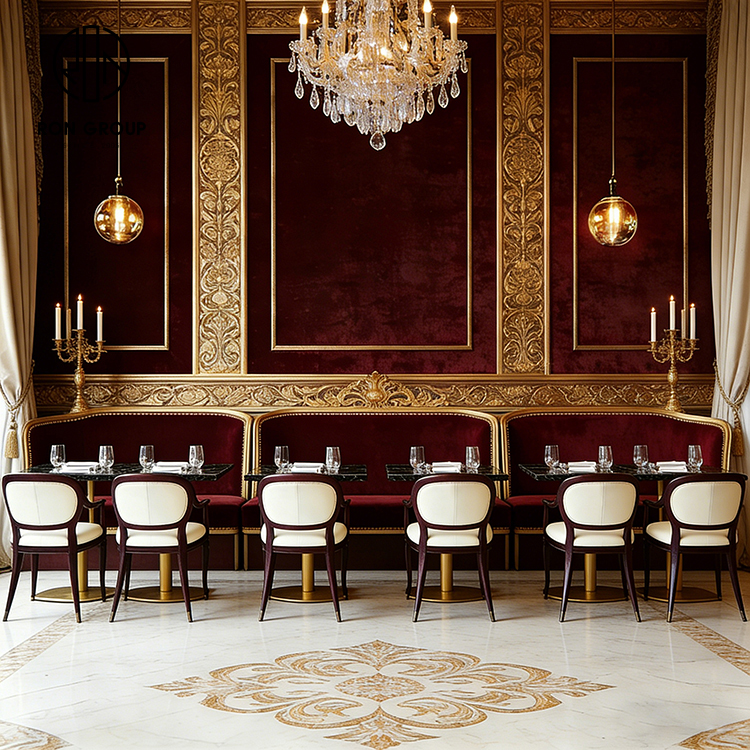
4. Conscious Luxury and Sustainable Hospitality
Luxury in 2026 is defined by ethics and durability. Sustainable hospitality solutions are now a primary search driver for B2B procurement.
Low-Impact Materials: Buyers are prioritizing suppliers who offer long-lasting, low-maintenance products.
Operational Efficiency: Choosing break-resistant tableware and high-durability furniture reduces long-term waste and lowers replacement costs, directly impacting the bottom line.
Conclusion: Designing for the Next Generation
The future of restaurant design in 2026 is a balance of human-centric comfort and operational intelligence. By embracing biophilic elements, focusing on tactile quality, and maintaining layout flexibility, restaurant brands can create spaces that resonate with modern diners while ensuring long-term profitability.
Future-proof your dining space today by exploring our latest collection of premium commercial restaurant furniture!
🔗http://web.justsitediy.com/website/index.php?_m=wp_frontpage&_a=index&id=139&sessionid=0c0f1f86baf5a99bd47fca0f0a9f16d6&tb_product_category=22


