How to Use "Irregular" Tableware to Elevate the Artistic Feel of French Restaurants
Modern French cuisine is undergoing a visual revolution—from “symmetry” to “naturalness.” By introducing irregularly shaped dinnerware, chefs can break free from traditional constraints. This article provides an in-depth analysis of fine dining plating techniques, exploring how custom restaurant plates reinforce brand differentiation and address the durability challenges associated with stoneware for restaurants.
The Evolution of the Artistic Table Setting in France
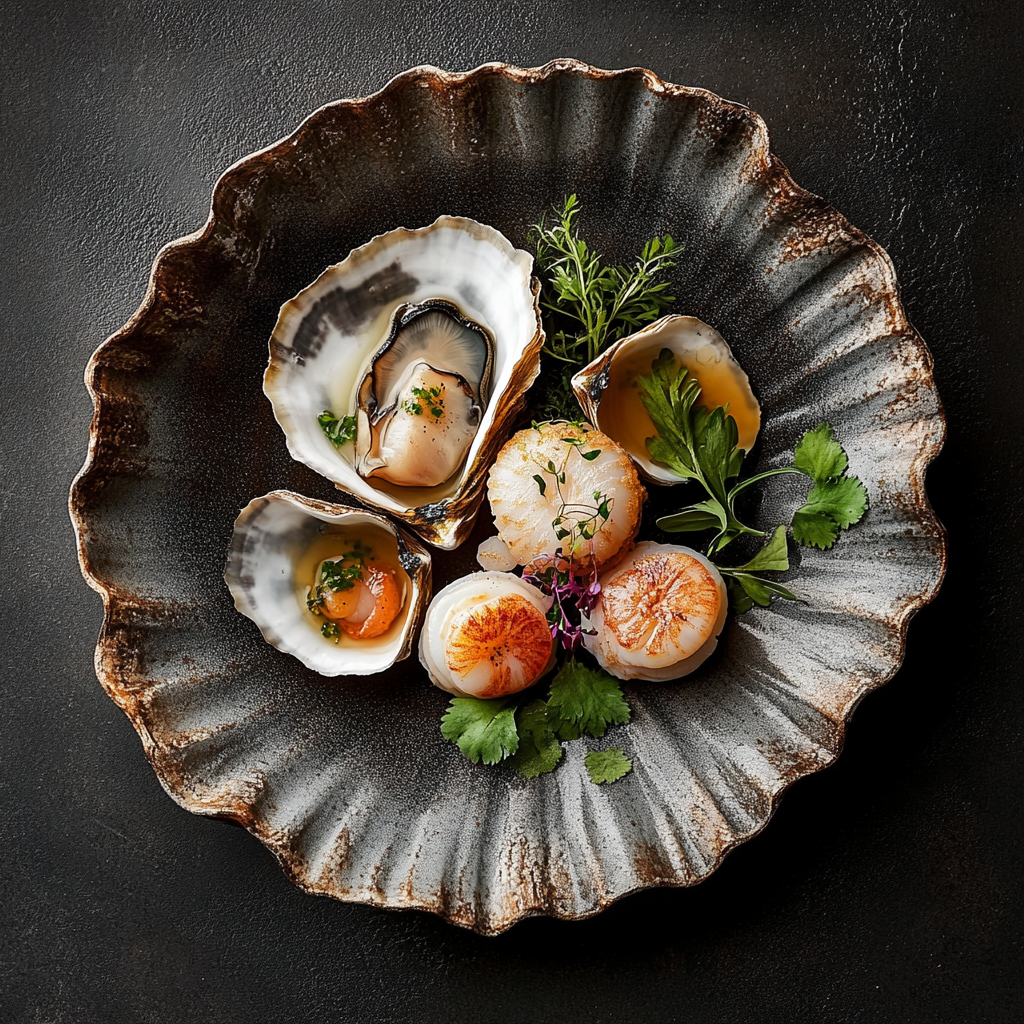
French cuisine has always been the gold standard for precision. For decades, this precision was mirrored in the tableware: perfectly circular, bone-white, and uniform. However, the contemporary "Bistronomy" movement has redefined French elegance. Today, an artistic table setting is characterized by fluidity, texture, and surprise. The use of Ceramic Plates with organic, non-linear edges has become the signature of chefs who want to bridge the gap between classic technique and modern art.
Mastering Fine Dining Plating Techniques with Asymmetry
The shift to irregular shaped dinnerware fundamentally changes how a chef approaches the canvas.
Embracing Negative Space: On a standard round plate, empty space can look like a mistake. On an irregular plate, the empty area becomes a purposeful "frame" that highlights the delicate nature of a scallop or a truffle-shaving.
Guided Visual Flow: The human eye naturally follows lines. The "wobbly" or undulating rim of a handcrafted-style plate creates a visual path, leading the guest's eye toward the focal point of the meal.
Organic Storytelling: When a dish like Fruits de Mer is served on a plate that resembles a sea shell or a weathered stone, the tableware assists in the storytelling, grounding the food in its natural origin.
The Choice of the Elite: Professional Chef Tableware
For a Michelin-starred environment, every touchpoint must be intentional. Professional chef tableware in 2026 is moving away from the "one-size-fits-all" model.
Bespoke Identity: Many leading French restaurants now opt for custom restaurant plates. By collaborating with manufacturers to create unique glazes or specific organic silhouettes, they ensure that their plating cannot be replicated by any other establishment.
Material Integrity: The move toward stoneware for restaurants is not just for looks. Modern stoneware is vitrified at much higher temperatures than traditional pottery, making it non-porous, hygienic, and incredibly strong. It provides the "heft" and heat retention required for serving hot, complex French sauces.
Operational Excellence: Merging Art with Utility
The biggest myth about irregular shaped dinnerware is that it is impractical for a high-volume kitchen.
Smart Stacking: Leading designers have engineered "semi-irregular" pieces where the top rim is organic, but the bottom base is standardized. This allows for stable stacking in the "back-of-house" and prevents accidents during rapid service.
Thermal Shock Resistance: High-end Ceramic Plates are now built to handle the transition from a warm pass to a cold dish-room without cracking, a vital feature for the fast-paced environment of a busy French bistro.
Conclusion
French dining is an experience that begins long before the first bite. It starts with the visual impact of the table. By integrating irregular shaped dinnerware and mastering modern fine dining plating techniques, restaurateurs can transform a standard dinner into a memorable artistic performance. While the aesthetic may appear rustic or "imperfect," the choice of professional chef tableware must be rooted in quality and durability. Ultimately, the use of stoneware for restaurants and custom restaurant plates allows an establishment to express its unique culinary soul. In the modern market, those who embrace the beauty of imperfection will find themselves at the pinnacle of the industry's artistic evolution.


