2026 Restaurant Tableware Color Trends: The Rise of Earthy Tones and Matte Textures
Contemporary French cuisine is undergoing a visual revolution—from “symmetry” to “naturalness.” By incorporating irregularly shaped dinnerware, chefs can break free from traditional constraints. This article provides an in-depth analysis of fine dining plating techniques, exploring how custom restaurant plates reinforce brand differentiation and address the durability challenges associated with stoneware for restaurants in actual operations.
The Paradigm Shift in Hospitality Design Trends 2026
The visual landscape of the global dining industry is undergoing its most significant transformation in a decade. For years, the "safe" choice for any establishment was high-gloss white porcelain. However, as we approach 2026, hospitality design trends 2026 are pivoting toward sensory richness and organic authenticity. The sterile, clinical look is being replaced by "Warm Minimalism"—a style that prioritizes comfort, texture, and a connection to the natural world. In this context, Restaurant Tableware is no longer a background player; it is a primary tool for defining the atmosphere.
Why Earthy Tone Restaurant Decor Stimulates More Than Just Sight
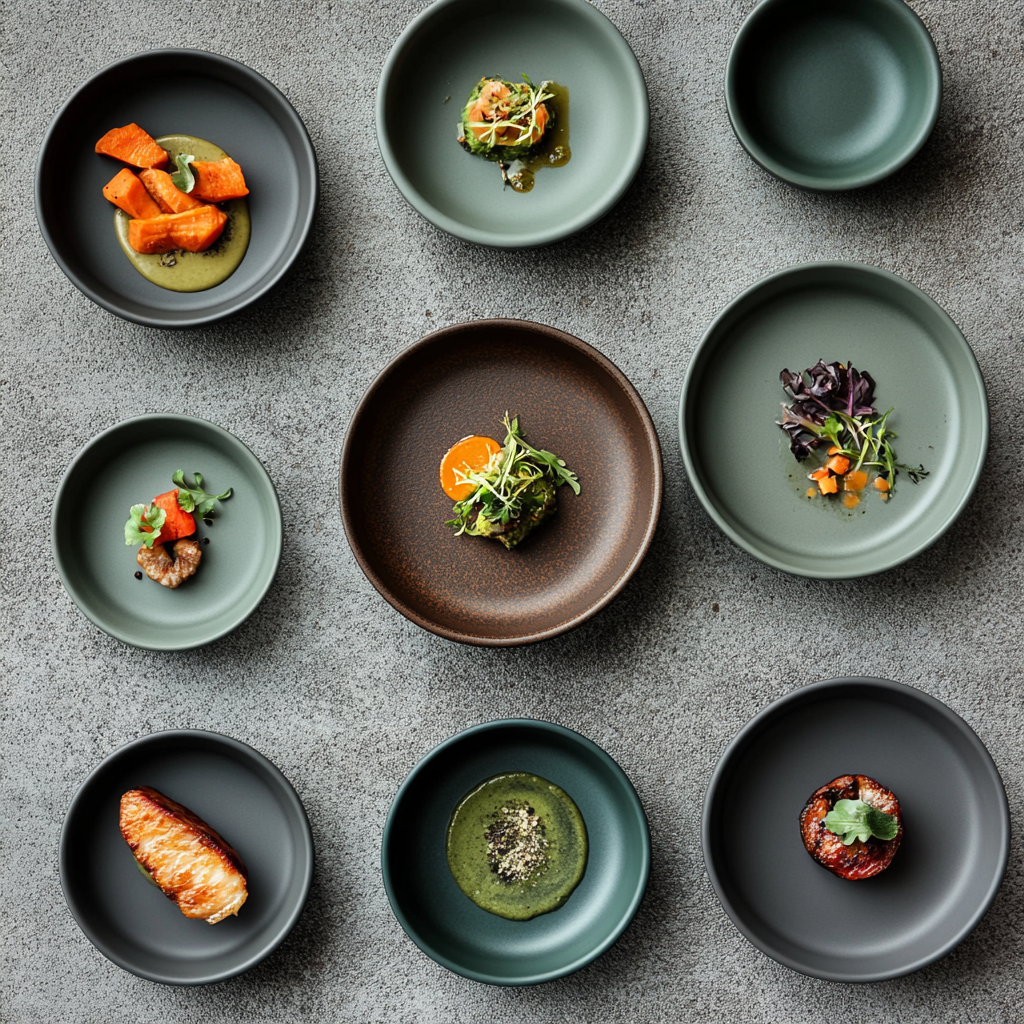
The shift toward earthy tone restaurant decor—incorporating shades like sienna, ochre, sage, and deep charcoal—is rooted in color psychology.
A Sense of Place: These colors evoke a "farm-to-table" ethos, signaling to the guest that the ingredients are fresh and sustainably sourced.
Appetite and Comfort: Unlike blue or bright neon tones, earthy colors are "appetite-neutral" or positive, creating a relaxed environment where guests are likely to linger longer, increasing the opportunity for additional beverage and dessert sales.
Cohesive Branding: For modern interior designers, matching the tabletop to the architectural elements (like exposed brick or reclaimed wood) creates a seamless brand experience that resonates with high-end clientele.
The Technical Edge of Matte Ceramic Plates
Beyond aesthetics, matte ceramic plates offer functional benefits that address the modern diner's behavior. In an era dominated by social media, the "camera-readiness" of a dish is paramount.
Anti-Glare Properties: High-gloss glazes act as mirrors for overhead spotlights, creating white "hot spots" in photos. Matte finishes absorb light, ensuring that the natural colors of the food are captured accurately by smartphones.
Tactile Experience: The "hand-feel" of a matte plate provides a premium, artisanal sensation that gloss cannot replicate.
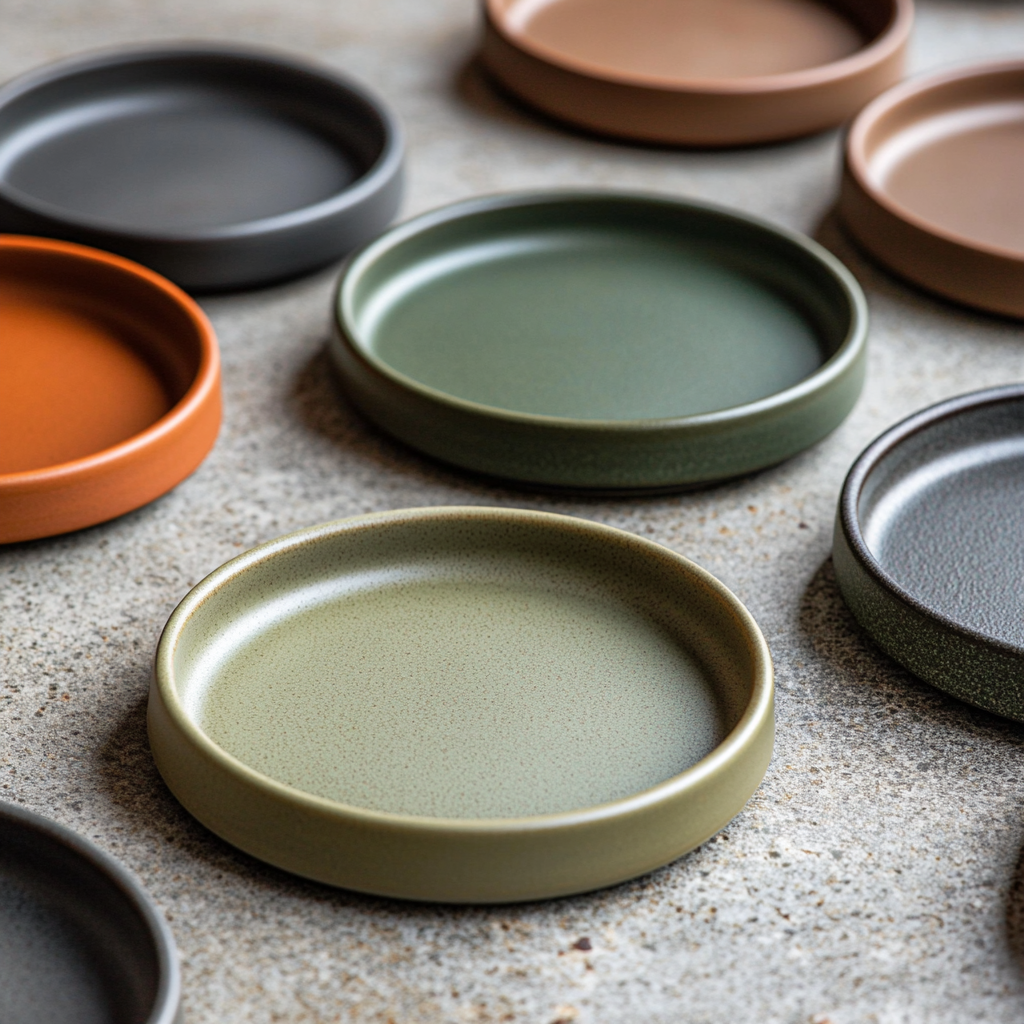
Durability Evolution: Historically, matte plates were prone to "metal marking" (dark lines from cutlery). However, 2026-grade commercial dinnerware sets utilize advanced alumina-reinforced glazes that offer the matte look with the scratch resistance of traditional porcelain.
Strategic Procurement: Bulk Restaurant Plates and Sustainability
For purchasing managers, the transition to new trends must be financially viable. When sourcing bulk restaurant plates, it is essential to look for "reactive glazes"—a technique where the kiln's heat creates natural variations in color. This ensures that while the set is cohesive, no two plates are identical, adding to the handcrafted appeal. Furthermore, the move toward earthy, less processed looks often aligns with a brand's commitment to sustainable restaurant supplies, as these styles celebrate raw materials and longevity over disposable trends.
Conclusion
In 2026, the dining table is a sensory stage. The rise of earthy palettes and matte finishes represents a broader cultural move toward mindfulness and authenticity. By investing in high-quality matte ceramic plates and staying ahead of hospitality design trends 2026, restaurateurs can create a visual identity that feels both timeless and cutting-edge. The key to success lies in choosing commercial dinnerware sets that do not just follow a trend, but enhance the specific culinary narrative of the kitchen. Choosing the right partner for bulk restaurant plates ensures that your transition is both stylish and cost-effective, securing your place at the forefront of the industry.


