A restaurant’s brand is more than a logo or a color palette. It is the complete emotional and visual experience built through space, materials, lighting, furniture, and even the smallest elements placed on the table. In an era where diners value personality and storytelling, a cohesive restaurant brand is one of the strongest competitive advantages a business can create.
A well-designed space does more than attract customers—it communicates quality, price positioning, and the type of experience a guest can expect. As a global restaurant solutions provider, Ron Group has witnessed firsthand how thoughtful design decisions transform brand identity across international markets.
1. Interior Design: The Foundation of Brand Identity
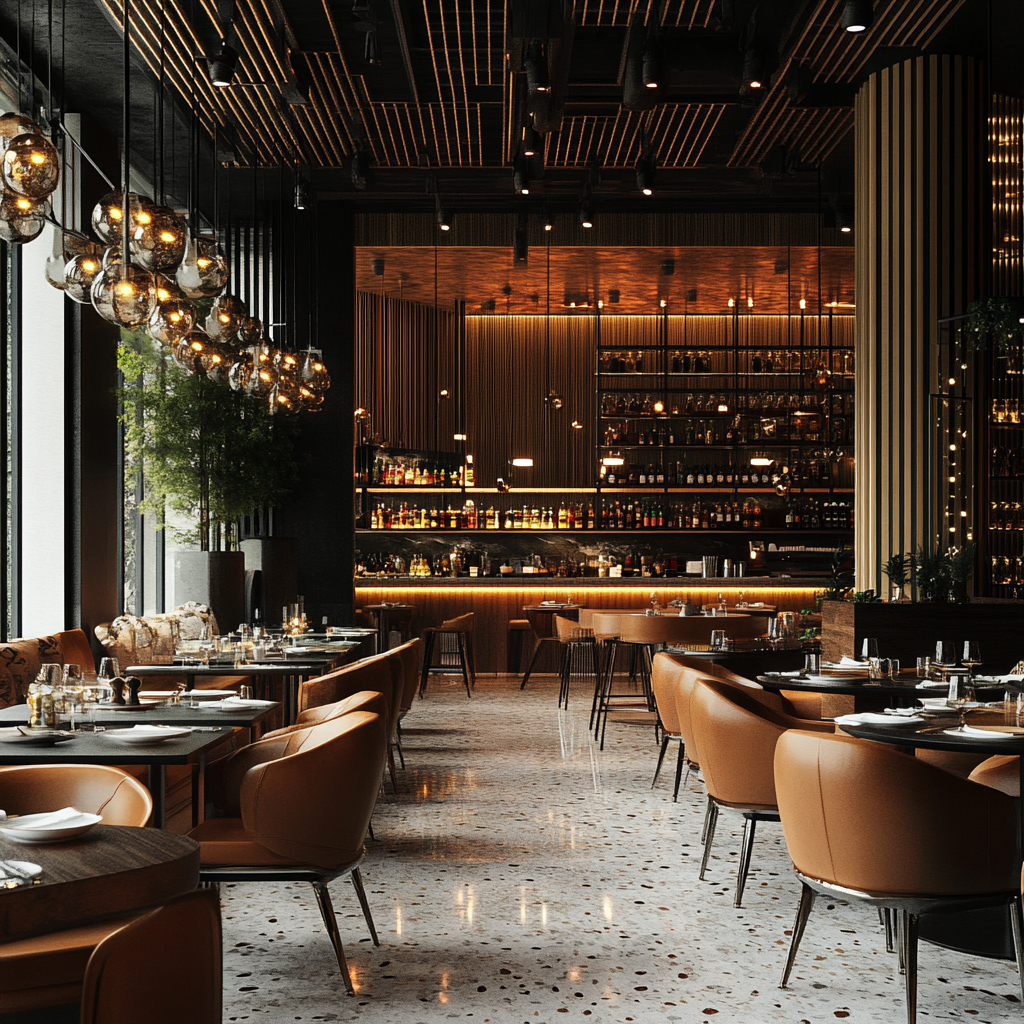
Interior design sets the tone long before a guest sees the menu. From layout to materials, every detail communicates the restaurant’s message.
Warm woods, curved lines, and soft lighting convey comfort and approachability, while stone, monochrome palettes, and clean geometry suggest modern sophistication.
Key design elements that drive brand consistency include:
Color psychology aligned with cuisine style
Lighting temperature that enhances both ambiance and food color
Flooring and wall finishes that complement the visual narrative
Spatial zoning that guides movement and emotion
A consistent interior language creates a recognizable environment that guests associate with the brand, reinforcing memorability and loyalty.
2. Furniture: The Physical Expression of Concept
Furniture is one of the most influential touchpoints in a restaurant. Chairs, tables, and banquettes determine comfort levels, guest flow, and the visual balance of the entire space.
To achieve strong brand consistency, restaurants prioritize:
Material alignment (wood, metal, leather, upholstery textures)
Shape language that reinforces the concept’s personality
Color palette consistency between seating, tables, and décor
Proportions and ergonomics that match dining style and service rhythm
When furniture harmonizes with the interior architecture, the brand feels intentional and cohesive—not assembled.
3. Tableware: The Final Layer of Brand Storytelling
Tableware is often the closest physical interaction guests have with the brand. High-quality plates, bowls, utensils, and glassware complete the sensory experience at the table.
Successful restaurants pay attention to:
Plate color and texture matching the cuisine style
Cutlery shape and weight enhancing perceived value
Glassware clarity and form supporting beverage identity
Durable materials suitable for high-volume service
A plated dish photographed on distinctive tableware becomes part of the brand’s digital identity across social media and online reviews.
4. Aligning All Elements Into a Unified Brand System
Brand consistency emerges when interior design, furniture, and tableware follow the same visual and emotional direction. The most effective strategy is to build a holistic design framework:
Define your brand’s emotional keywords
Align materials, shapes, tones, and textures
Maintain harmony between seating, surfaces, and décor
Use tableware as a finishing reinforcement of concept
This integration builds a unified image that customers can recognize immediately, creating a long-lasting impression that strengthens word-of-mouth and repeat visits.
Conclusion
A restaurant’s strongest branding tool is the environment it creates. When interior design, furniture, and tableware work together, the entire space becomes a single, coherent narrative. With thoughtful curation and a clear design direction, restaurants can deliver an experience that not only looks beautiful but also reinforces market positioning in an increasingly competitive industry.


