Restaurant Renovation Strategy: How to Upgrade an Existing Space Without Closing Your Business
This article outlines a structured renovation strategy that helps restaurants upgrade their space while staying operational through phased planning and efficient materials.
1. Start With a Clear Assessment of What Truly Needs Changing
A renovation doesn't always require a full rebuild. Often, the most impactful upgrades come from targeted interventions such as:
Furniture replacement
Lighting improvements
Updated wall finishes or flooring zones
New tableware and presentation styles
Better seating layouts for comfort and flow
Understanding what affects guest experience most helps operators allocate the renovation budget more effectively.
2. Divide the Project Into Phases to Avoid Closing the Business
A phased approach allows the restaurant to continue operating:
Phase 1 – Non-essential areas (bar zone, private dining rooms, entry corridor)
Phase 2 – Half of the dining area, alternating sides weekly
Phase 3 – Kitchen upgrades scheduled during off-hours or split shifts
Phase 4 – Décor and finishing touches during night sessions
This method keeps the restaurant open while minimizing customer disturbance.
3. Use Modular Furniture and Quick-Install Materials
Modern materials make renovation significantly easier. Restaurants rely on:
These choices reduce installation time and enable staff to reset the space between lunch and dinner service.
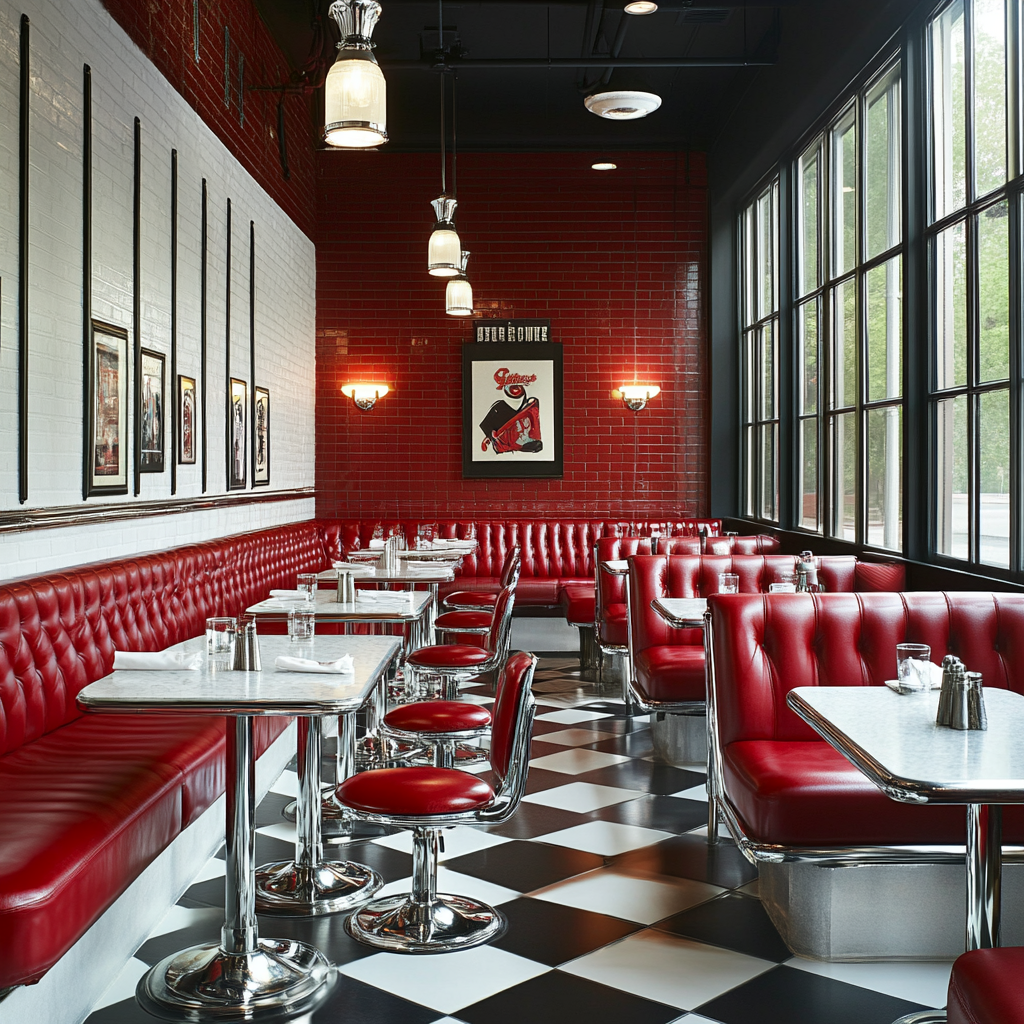
4. Upgrade Lighting to Transform the Space Instantly
Lighting is one of the most effective and least disruptive upgrades.
Switching to:
can dramatically improve the dining atmosphere without shutting down service.
Lighting alone can make a restaurant feel newly renovated even before major construction begins.
5. Communicate Transparently With Guests
A renovation that maintains business operations requires strong communication. Use:
Guests appreciate transparency, especially when they see genuine efforts to upgrade their experience.
Conclusion
Renovation doesn’t have to mean closing doors. By prioritizing the right upgrades, phasing construction intelligently, and using modern modular materials, restaurants can improve their space while protecting daily operations. This approach keeps revenue stable and allows businesses to thrive even through the transition.


