What content can a professional restaurant designer provide for a restaurant owner?
Source:
|
Author:Yuki
|
Published time: 2024-05-16
|
56 Views
|
🔊 Click to read aloud
❚❚
▶
|
Share:
A professional restaurant designer can provide a wealth of content and resources that can aid a restaurant owner in creating an appealing, functional, and profitable dining environment. Here are some key types of content and services a restaurant designer might offer
Design Concepts and Visualization:
Interior and Exterior Design Proposals: Customized visual proposals that include color schemes, lighting, furniture, and layout suggestions tailored to the restaurant's theme and target audience.
3D Renderings and Virtual Tours: Advanced 3D models and virtual reality tours that allow restaurant owners to visualize the design before implementation.
Brand Identity Development:
Thematic Development: Guidance on developing a coherent theme that resonates with the intended clientele, including décor, menu design, and uniform design.
Logo and Branding Materials: Creation of a unique logo, along with accompanying branding materials such as business cards, menu design, and promotional items.
Functional Planning:
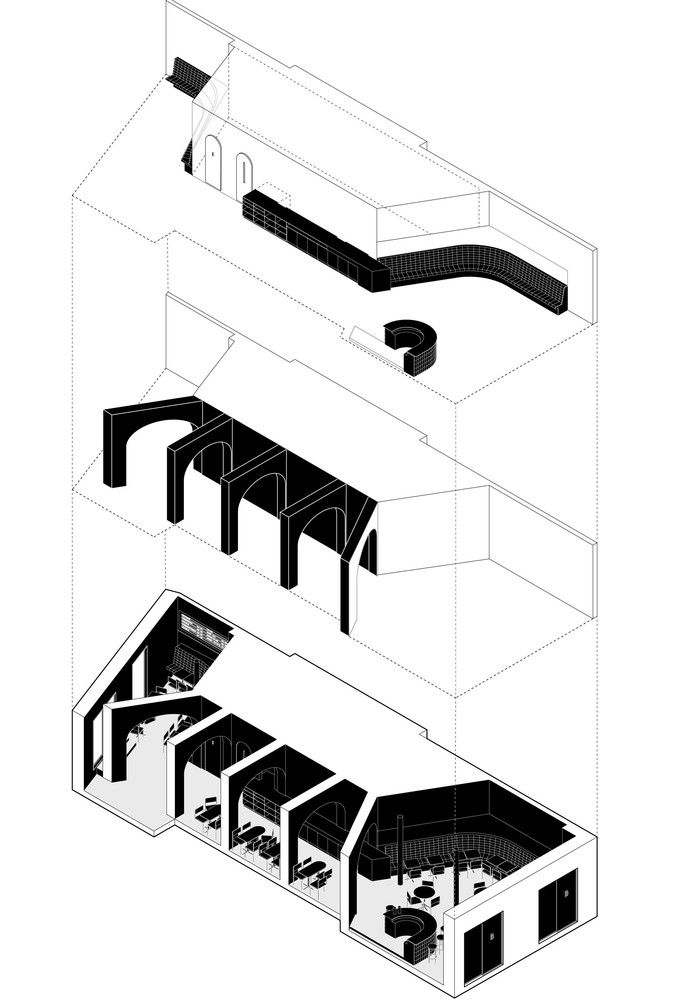
Space Optimization: Strategic layout planning to maximize kitchen functionality, dining comfort, and overall workflow efficiency.
Compliance and Accessibility: Ensuring that the design meets all relevant health, safety, and accessibility codes and regulations.
Material and Furnishing Selection:
Sourcing and Selection: Assistance in selecting durable and appropriate materials and furnishings that align with the aesthetic and functional requirements of the restaurant.
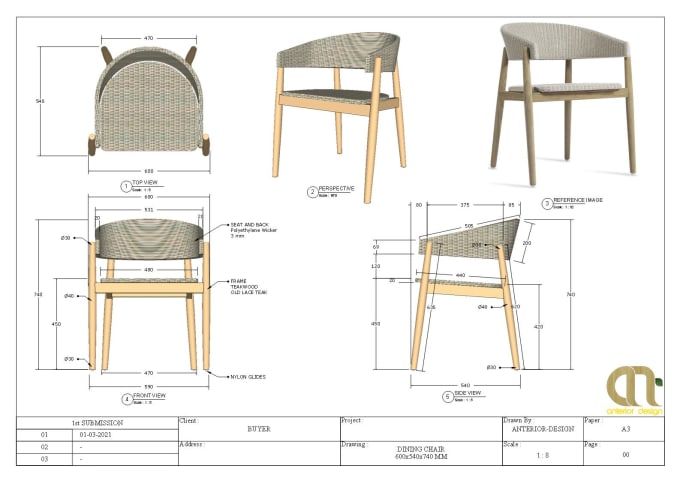
Custom Furniture Design: Designing custom furniture pieces that fit the specific needs and dimensions of the space.
Lighting and Acoustic Planning:
Ambient Lighting Schemes: Designing lighting solutions that enhance the dining experience, improve mood, and complement the aesthetics of the restaurant.
Sound Engineering: Solutions to optimize acoustics, including soundproofing elements and background music systems.
Sustainability Consultation:
Eco-friendly Practices: Advising on sustainable practices, including energy-efficient appliances, sustainable materials, and waste reduction techniques.
Operational Efficiency Enhancement:
Technology Integration: Recommendations on integrating technology solutions such as digital ordering systems, kitchen display systems, and customer management software.
Staff Movement and Efficiency: Analyzing and planning for optimal staff movement and efficiency within the restaurant space.
Marketing and Promotional Strategy:
Promotional Content Creation: Assistance in creating promotional content that can be used in marketing campaigns, on social media, and in press releases.
Launch Strategy: Developing a strategy for the grand opening, including event planning and public relations.
Post-Implementation Support:


