1. Corrosion Resistance
Metal materials in restaurants face exposure to moisture, oils, and various acidic components from food and cleaning agents. Choosing metals like stainless steel, which offers high corrosion resistance, is crucial. Copper and brass, while popular for their aesthetic appeal, require regular maintenance to prevent tarnishing.
2. Thermal Conductivity
Metals are typically excellent conductors of heat, which can be both an advantage and a disadvantage. For instance, metal chopsticks or serving dishes could become uncomfortably hot if used with hot foods. Implementing metals with lower thermal conductivity or insulating coatings can mitigate this issue.
3. Aesthetic Integration
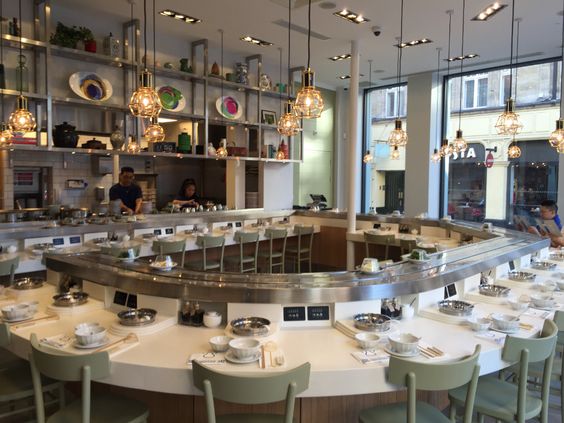
The minimalist, nature-inspired aesthetic of Japanese restaurants doesn't traditionally incorporate much metal. Where metal is used, it should ideally complement the natural wood, stone, or ceramic materials typically used. Choosing metals with subdued, matte finishes or patinas can help achieve a harmonious look.
4. Noise Level
Metal furniture or decor items can increase noise levels in a dining space due to their sound-reflective properties. This can detract from the serene, tranquil dining experience expected in Japanese restaurants. Using textiles or other sound-absorbing materials in conjunction with metal can help reduce this impact.
5. Cultural Appropriateness
Metal elements should respect and reflect the cultural context of the restaurant. In Japan, elements such as copper teapots or sake cups are traditional, but extensive use of bright or polished metals might not align with typical Japanese design principles.
6. Maintenance Requirements
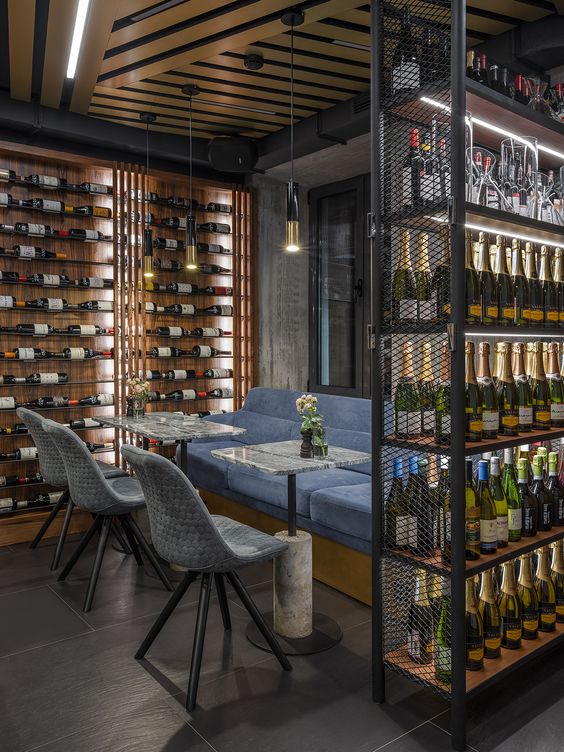
Metals may require different maintenance strategies depending on their type and finish. Polished surfaces might show fingerprints and smudges more readily, requiring frequent cleaning to maintain a pristine appearance. Selecting finishes that are more forgiving of wear and tear can be a practical choice for high-traffic environments.
7. Food Safety
Certain metals react with acidic foods, which can affect flavor and safety. Ensuring that the metals used in cookware, utensils, and serving items are food grade and non-reactive is vital to prevent any unwanted chemical reactions with food.
8. Sustainability
Considering the environmental impact of metal sourcing and production is increasingly important. Using recycled metals or materials from sustainable sources can appeal to environmentally conscious consumers.
9. Weight
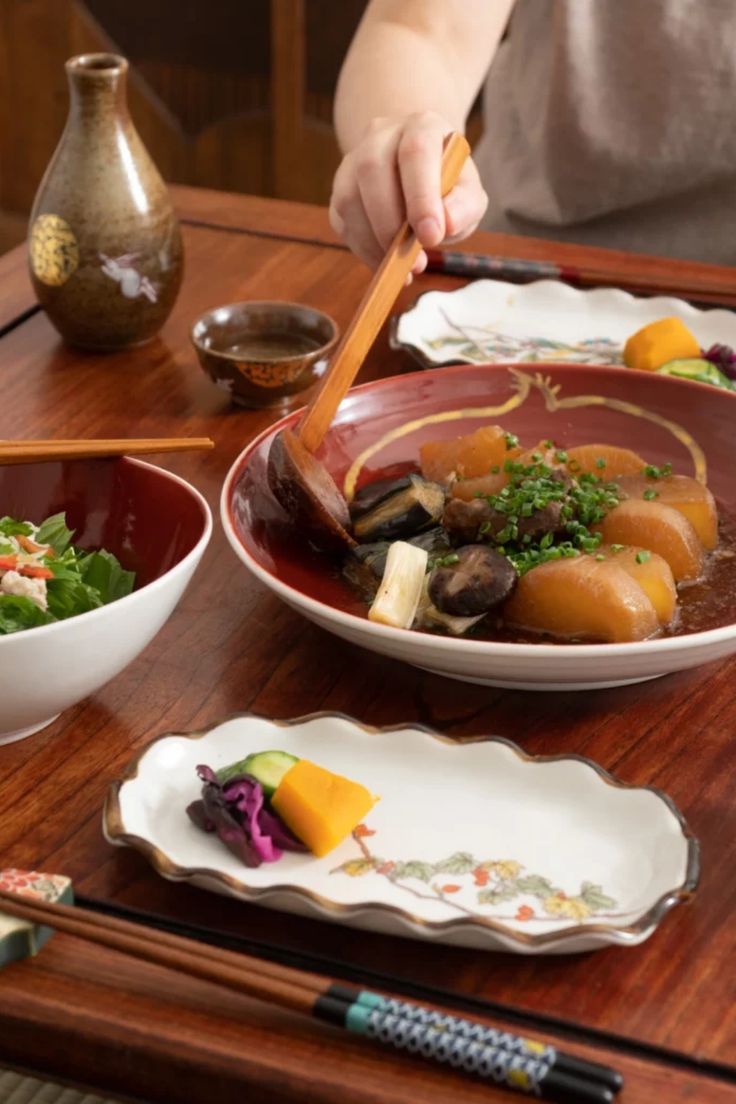
Heavy metal furniture can be cumbersome to move and reconfigure within a space, potentially leading to logistical challenges in restaurant management. Choosing lighter alloys or combining metal with lighter materials can enhance flexibility in layout and design.
10. Touch Sensation
Metals often feel colder to the touch compared to wood or ceramics, which might not be as comforting in a cozy dining setting. This tactile experience should be considered when selecting contact surfaces like tabletops or utensils.


