How to choose tableware for a Japanese-style restaurant to make dining more enjoyable for restaurant patrons?
Choosing the right tableware for a Japanese-style restaurant is crucial not only for aesthetic alignment with the cuisine but also for enhancing the dining experience of your patrons. Here's a detailed guide on selecting tableware that complements the unique aspects of Japanese dining, ensuring a memorable and authentic experience for every customer.
1. Emphasize Authentic Materials
Japanese cuisine is deeply connected to nature, which is reflected in the choice of tableware. Opt for natural materials that evoke a sense of calm and earthiness:
Ceramics: Often handmade, Japanese ceramics can range from rustic, unglazed earthenware to finely glazed porcelain. Choose pieces that reflect the seasonal themes of your menu.
Wood: Wooden bowls and plates, particularly those made from cedar, are traditional in Japanese dining and perfect for sushi and sashimi.
Lacquerware: Lacquered dishes are a staple in Japanese settings, known for their durability and high gloss finish, ideal for serving hot foods and soups.
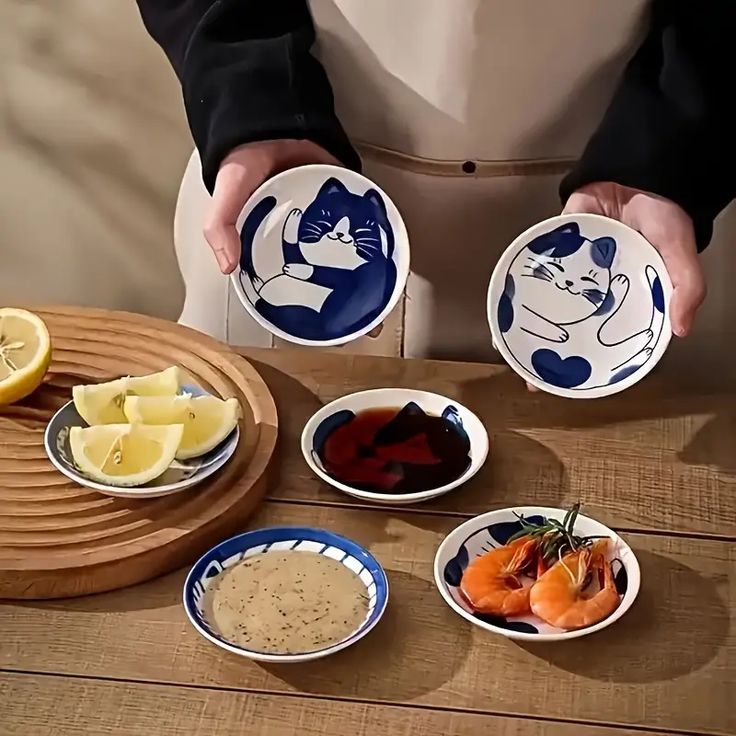
2. Consider Shape and Color
The shape and color of the tableware play a pivotal role in presenting Japanese food, which is as much about aesthetics as taste.
Shape: Opt for a variety of shapes to accommodate different dishes, such as rectangular plates for sashimi, small round bowls for sauces, and compartmentalized bento boxes.
Color: Neutral colors like black, white, and grey enhance the vivid hues of Japanese food. However, incorporating some colored or patterned pieces can highlight seasonal ingredients and add a festive touch.
3. Size and Functionality
Japanese cuisine involves multiple small dishes served simultaneously. Choose tableware that facilitates this style of dining.
Small Plates: Provide ample small plates and bowls for individual portions, encouraging guests to try a variety of dishes.
Rice and Soup Bowls: Every setting should include a rice bowl and a soup bowl, typically smaller in size, which are central to a Japanese meal.
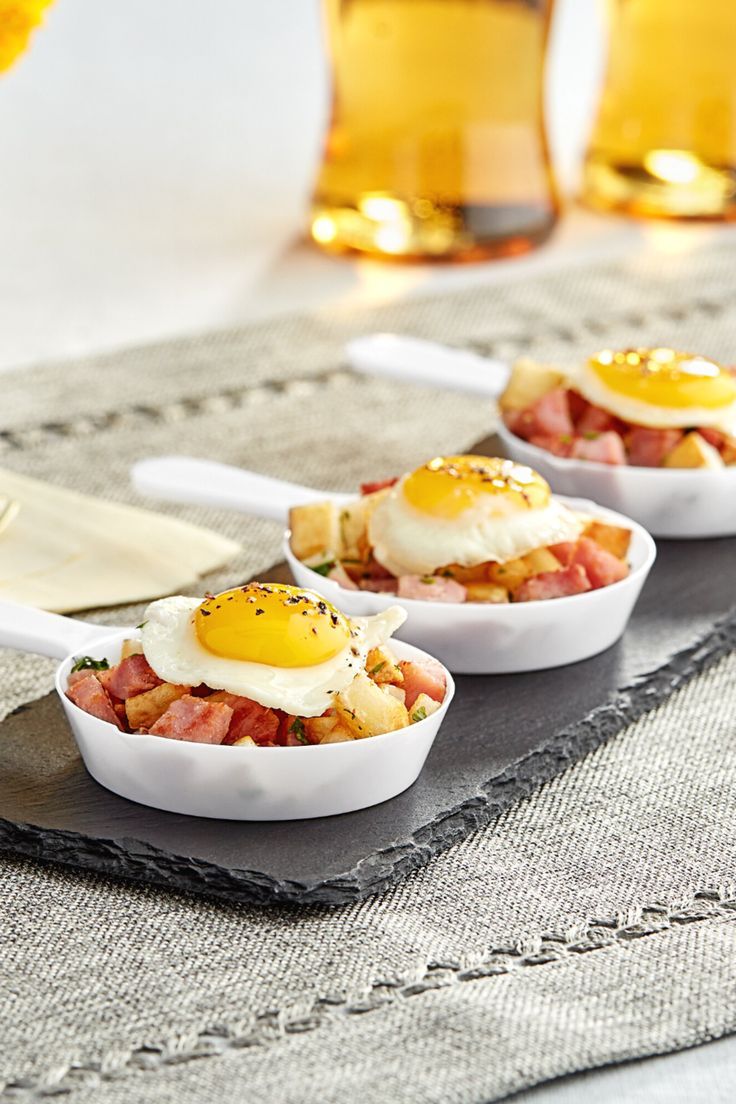
4. Seasonal Adaptability
Reflecting the seasons in your tableware not only aligns with Japanese cultural practices but can also enhance the dining experience by connecting the food with the environment.
Seasonal Themes: Use cool, blue-toned dishes in the summer to contrast with the warmth of the food, and warm, earthy tones in the winter.
5. Cultural Elements
Introduce elements that add a touch of Japanese culture to enhance authenticity.
Chopsticks: Choose elegant, reusable chopsticks that match the style of your tableware.
Drinkware: Traditional Japanese tea and sake sets should be part of your tableware to offer a complete dining experience.


