How to choose the right tableware for a Japanese restaurant according to the different characteristics of the dishes?
Source:
|
Author:Yuki
|
Published time: 2024-05-15
|
60 Views
|
🔊 Click to read aloud
❚❚
▶
|
Share:
Choosing the right tableware for a Japanese restaurant is essential to enhancing the dining experience, as it reflects the artistry and tradition of Japanese cuisine. The aesthetics of the dishes served, coupled with the tableware, can significantly influence the perception of taste and quality. Here’s a detailed guide to selecting the perfect tableware for a Japanese restaurant based on different characteristics of the dishes
1. Match Dishware with Dish Type
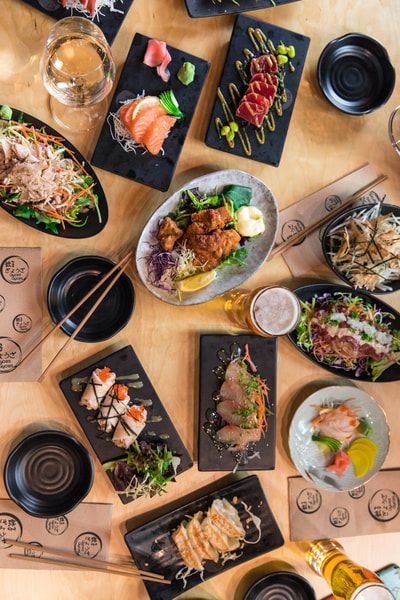
Sushi and Sashimi: Opt for minimalist, rectangular or oval sushi plates. These often come in subdued colors like black, white, or celadon green, which help the colors of the fish stand out.
Tempura or Fried Dishes: Serve these in a basket or on a simple, small plate with a dip bowl on the side. Bamboo baskets or wooden plates can enhance the rustic appeal.
Soups and Broths (like Miso or Ramen): Use deep, rounded bowls. Ceramic bowls with lids preserve heat and add an element of surprise unveiling the contents.
2. Consider Material and Texture
Ceramics: Traditional yet versatile, offering various textures and colors. Ceramics can be tailored to both rustic and modern aesthetics.
Wood: Best for dishes served at room temperature or cold, such as sushi platters or chilled soba noodles.
Lacquerware: Highly valued in Japanese culture, perfect for dishes like bento boxes and donburi. It adds a luxurious feel to the dining experience.
Glass: Suitable for desserts and cold beverages. Clear glass showcases layers and colors, adding to the visual appeal.
3. Color Coordination
Neutral Tones: Black, white, beige, and gray highlight the vibrant colors of fresh ingredients and are traditionally favored.
Bold Accents: Consider using plates with one bold color or a subtle pattern to complement rather than overwhelm the dish.
4. Shape and Functionality
Rectangular Plates: Ideal for sushi and sashimi.
Small Bowls: Perfect for side dishes or sauces.
Large Bowls: Essential for noodle soups and donburi.
Compartmentalized Plates: Useful for bento boxes to separate different components effectively.
5. Cultural Relevance
6. Set The Right Atmosphere
Formal Settings: Choose more refined and elegant tableware with delicate patterns and high-quality materials.
Casual Dining: Opt for more robust, simple designs that are durable and less formal.


