1. Concept and Theme
The overall concept or theme of the restaurant or specific menu can dictate the shape and style of the dish presentation. For instance, a restaurant with a modernist theme might opt for geometric shapes and clean lines, while a more traditional establishment might prefer classic, round presentations that evoke a sense of familiarity and comfort.
2. Ingredient Highlight
Chefs aim to showcase the main ingredients in their dishes. The shape of the presentation can help highlight the freshness and quality of the ingredients. For example, a dish centered around a beautifully seared piece of fish might be arranged in an oval shape to follow the natural contour of the fish, enhancing its visual appeal.
3. Texture and Color
The texture and color of the components play a crucial role in deciding the shape. Chefs use shapes that create contrast and balance on the plate, making the dish visually exciting and inviting. A vibrant green pea puree might be swiped across a plate in a crescent shape to contrast a stark, angular piece of meat.
4. Ease of Eating
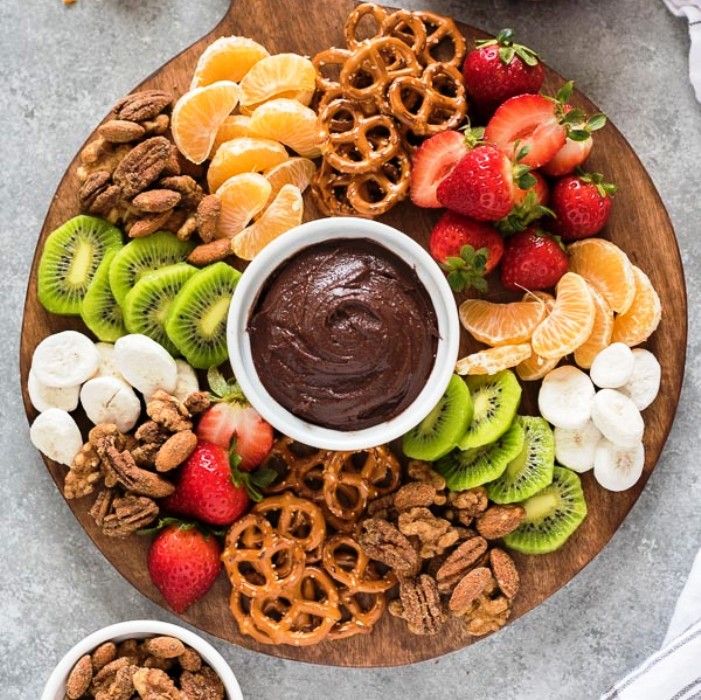
Practicality is also considered in plating. The shape should not only be visually pleasing but also functional, allowing diners to easily access and combine components of the dish. A well-thought-out arrangement prevents the dish from being just a visual spectacle but hard to eat.
5. Inspirations from Nature
Many chefs draw inspiration from nature, reflecting shapes and patterns found in the natural world. This might mean mimicking the random scattering of leaves for a salad or arranging seafood elements to resemble a seascape.
6. Cultural Influences
Cultural elements can influence the shape of dish presentation, incorporating traditional aesthetics that resonate with the cuisine’s origins. For example, a Japanese dish might incorporate minimalist, balanced shapes that reflect Japanese art and design principles.
7. Innovation and Personal Style
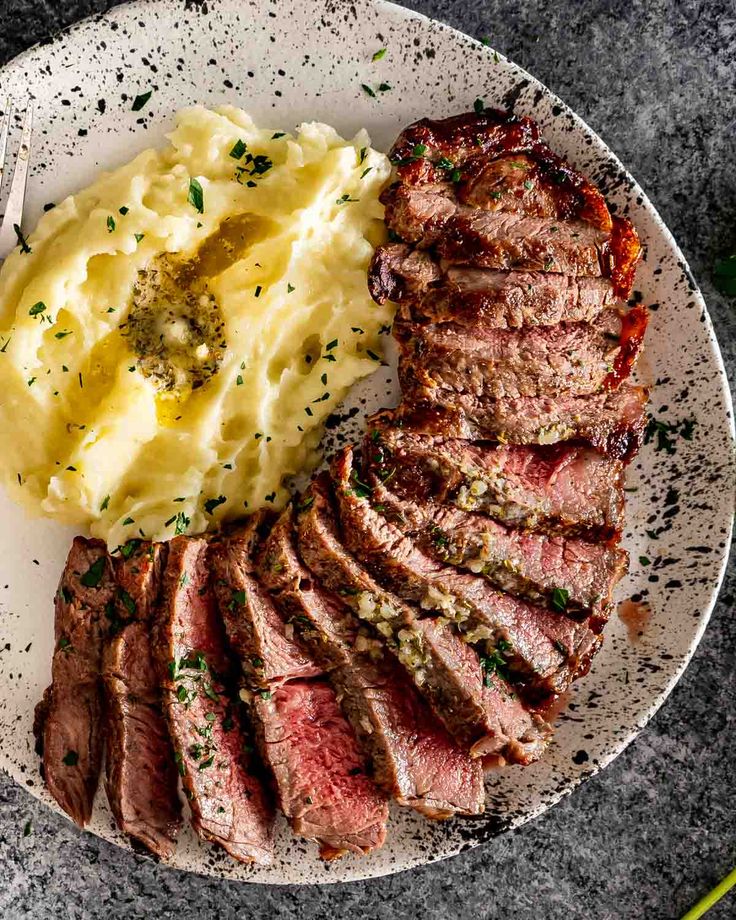
Each chef has their own unique style and philosophy that can influence the shape of the presentation. Experimentation and personal creativity often lead to innovative plating techniques that can become a signature of the chef or the restaurant.
8. Feedback and Evolution
Finally, chefs consider feedback from customers and colleagues and may adjust their plating styles based on what resonates well with the diners. The evolution of plating styles can be a response to changing trends and preferences in the culinary world.


