1. Maximizing Limited Space
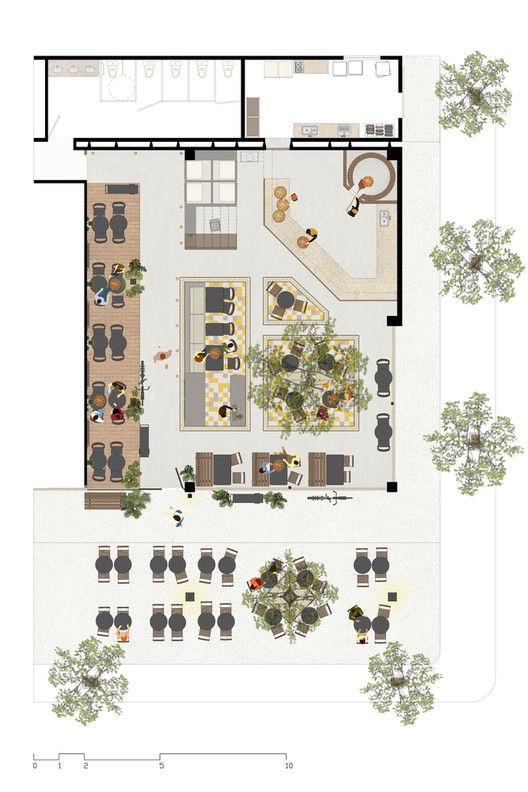
Small restaurants often operate within confined spaces. Professional designers have the expertise to make the most of every square foot, ensuring that the space is used efficiently. This can mean the difference between a cramped, uncomfortable dining experience and a cozy, inviting one.
2. Enhanced Customer Experience
The design of a restaurant greatly influences the customer's experience. From the moment they walk in, the ambiance, layout, and aesthetics play a vital role in their perception of the restaurant. A well-designed space can make a small restaurant feel unique and memorable, encouraging repeat business.
3. Operational Efficiency
A well-thought-out layout can streamline operations, from the kitchen to the dining area. Professional designers understand the workflow of a restaurant and can design spaces that reduce bottlenecks and improve service speed. This efficiency is particularly important in small restaurants where space constraints can otherwise hinder operations.
4. Brand Identity and Differentiation
A unique and well-designed space helps small restaurants stand out in a crowded market. Professional designers can create a space that reflects the restaurant's brand and concept, making it instantly recognizable and appealing to customers. This differentiation is key to attracting a loyal customer base.
5. Safety and Compliance
Professional designers ensure that the restaurant space meets all relevant safety and accessibility standards. This includes proper spacing for fire exits, adequate lighting, and adherence to health regulations. Compliance with these standards is crucial to avoid legal issues and ensure the safety of both customers and staff.

6. Economic Efficiency
While hiring a professional designer may seem like an additional expense, it can actually save money in the long run. A well-designed space can reduce waste, lower maintenance costs, and improve energy efficiency. Designers can also help avoid costly mistakes that might arise from a lack of expertise.
7. Scalability and Future Growth
Professional designers can plan for future growth, making it easier to expand or reconfigure the space as the business grows. This foresight can save money and effort down the line, ensuring that the restaurant can adapt to changing needs without extensive renovations.
8. Optimized Acoustics and Lighting
Sound and lighting significantly impact the dining experience. Professional designers know how to optimize acoustics to ensure a pleasant atmosphere and use lighting to enhance the mood and functionality of the space. Proper lighting can make a small space feel larger and more inviting.


