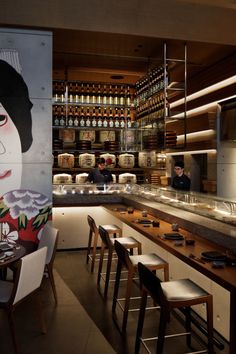
What is the proper ratio of kitchen and dining area to plan for a 150 ²m Japanese style restaurant?
Source:
|
Author:Yuki
|
Published time: 2024-06-03
|
206 Views
|
🔊 Click to read aloud
❚❚
▶
|
Share:
Planning the layout of a 150 m² Japanese-style restaurant involves balancing the kitchen and dining areas to ensure efficiency, comfort, and a pleasant dining experience. Here are some general guidelines and considerations for determining the proper ratio of kitchen to dining area
General Ratio:
For a 150 m² restaurant, this translates to:
Kitchen Area: 45-60 m²
Dining Area: 90-105 m²
Factors to Consider:
Menu Complexity:
Cooking Methods:
Dining Experience:
For an authentic experience, you might need space for features like a sushi bar, tatami seating, or teppanyaki tables.
Storage:
Staff Workflow:
Customer Comfort:
Suggested Layout Breakdown:
Kitchen Area (45-60 m²):
Preparation Area: 10-15 m²
Cooking Area: 20-25 m² (including space for sushi bar, grill, stove, etc.)
Storage: 10-15 m² (refrigeration, dry storage, etc.)
Cleaning Area: 5-10 m² (dishwashing, waste disposal)
Dining Area (90-105 m²):
Seating Area: 70-80 m² (tables, chairs, tatami mats, etc.)
Waiting Area: 5-10 m² (reception, waiting lounge)
Service Area: 10-15 m² (server stations, access to kitchen)
Example Layout:
Kitchen (50 m²):
Sushi Bar/Preparation Area: 10 m²
Cooking Stations (including teppanyaki, grill, etc.): 25 m²
Storage (coolers, pantry): 10 m²
Cleaning/Washing Area: 5 m²
Dining Area (100 m²):
Standard Seating (tables and chairs): 60 m²
Specialty Seating (tatami, private dining): 20 m²
Reception/Waiting Area: 10 m²
Service Stations/Walkways: 10 m²