If the restaurant offers a large number of dishes, you can choose this method to improve the efficiency of plating!
Source:
|
Author:Yuki
|
Published time: 2024-05-31
|
176 Views
|
🔊 Click to read aloud
❚❚
▶
|
Share:
In a bustling restaurant with an extensive menu, the efficiency of plating can significantly impact both customer satisfaction and kitchen operations. Here are some strategies to enhance plating efficiency, ensuring each dish is presented beautifully and promptly
1. Standardize Plating Techniques
Create Visual Guides: Develop detailed plating guides for each dish. Include photos and step-by-step instructions to ensure consistency.
Train Staff: Regularly train kitchen staff on these techniques to maintain uniformity across all plates.
2. Pre-Prepare Ingredients
Portion Control: Pre-portion ingredients for each dish to streamline the assembly process during peak hours.
Use Pre-Plated Elements: For complex dishes, consider pre-plating certain elements that can be stored safely until needed.
3. Organize Workstations Efficiently
Designate Plating Areas: Separate designated areas for plating different types of dishes (e.g., appetizers, mains, desserts).
Maintain Cleanliness and Order: Keep the plating stations clean and well-organized with all necessary tools and garnishes within easy reach.
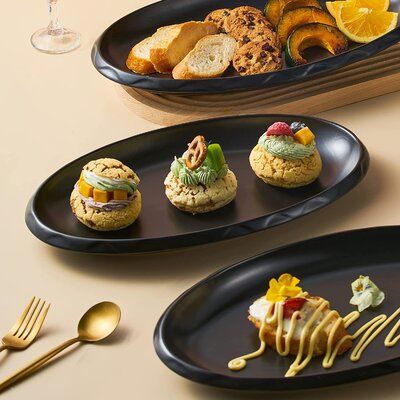
4. Implement Assembly Line Techniques
Assign Specific Roles: Divide the plating process into specific tasks assigned to different staff members. For example, one person handles garnishes while another focuses on main components.
Use Conveyors or Trays: Utilize conveyor belts or trays to move dishes from one station to another, minimizing movement and handling.
5. Utilize Modern Technology
Kitchen Display Systems (KDS): Use KDS to streamline communication between the kitchen and the front of the house. This reduces errors and speeds up the plating process.
Automated Equipment: Invest in automated tools for repetitive tasks such as sauce application or garnish placement.
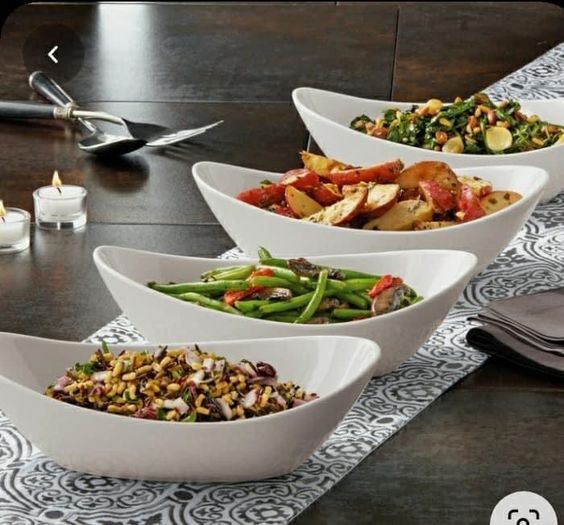
6. Optimize Menu Design
Simplify Plating for Certain Dishes: Design some dishes with simpler plating requirements to balance the load during busy times.
Highlight Key Dishes: Focus on perfecting the plating of signature dishes that are most popular or profitable.
7. Monitor and Adjust
Feedback Loops: Regularly review the efficiency of your plating process. Collect feedback from staff and customers to identify areas for improvement.
Continuous Improvement: Stay open to new techniques and technologies that can further enhance plating efficiency.


