How to choose a design style for a Japanese restaurant based on size?
Source:
|
Author:Yuki
|
Published time: 2024-05-30
|
106 Views
|
🔊 Click to read aloud
❚❚
▶
|
Share:
Choosing a design style for a Japanese restaurant based on its size involves considering several factors, including the available space, the desired atmosphere, functionality, and customer experience. Here's a guide to help you make the best choice
1. Small Japanese Restaurant Design
Small spaces require thoughtful planning to maximize the area without compromising on aesthetics or functionality.
Design Tips:
Minimalist Approach: Embrace minimalist design, which is a hallmark of Japanese aesthetics. Use clean lines, simple furniture, and a neutral color palette with natural materials like wood and bamboo.
Compact Furniture: Opt for compact, multi-functional furniture. Tatami mats and low tables can save space and create an authentic dining experience.
Vertical Space Utilization: Make use of vertical space for storage and decor. Shelving units can display traditional Japanese pottery or plants.
Lighting: Use soft, ambient lighting to create a cozy and intimate atmosphere. Paper lanterns or LED strips can enhance the mood without taking up much space.
Mirrors: Incorporate mirrors to create an illusion of a larger space.
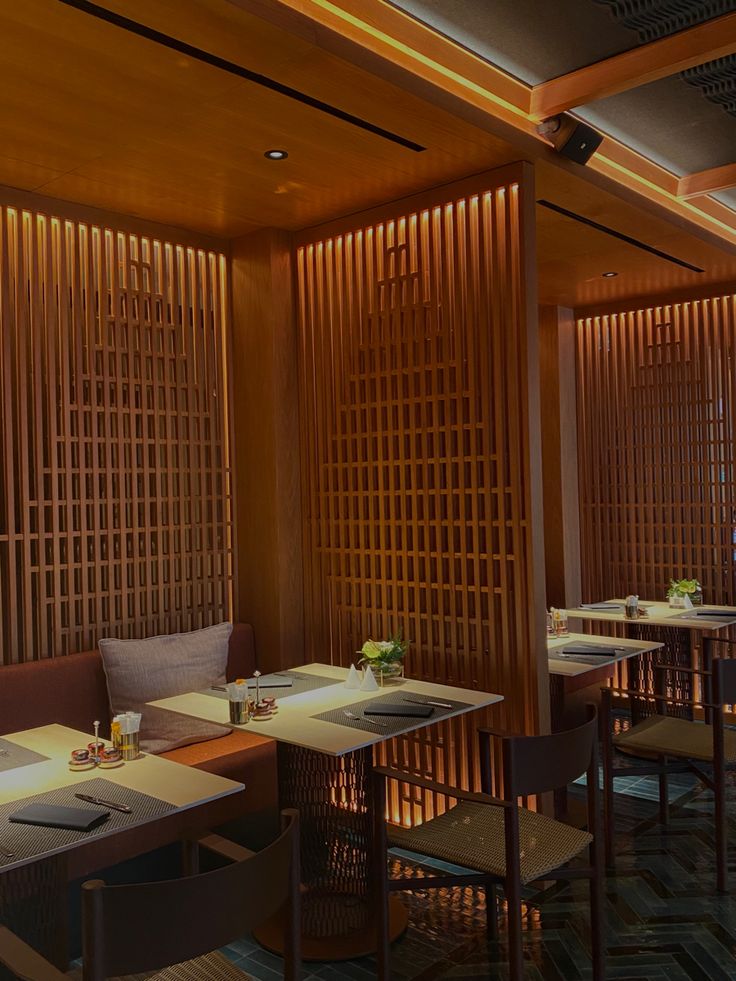
Style Ideas:
Zen Garden Theme: Incorporate elements of a Zen garden with small indoor plants, stones, and water features to bring tranquility.
Modern Japanese: Blend traditional Japanese elements with modern design. Use sleek furniture, metallic accents, and subtle Japanese art.
2. Medium-Sized Japanese Restaurant Design
Medium-sized spaces offer more flexibility and can accommodate a variety of design elements.
Design Tips:
Zoning: Create distinct zones for dining, sushi bar, and private dining areas. This can enhance functionality and provide varied dining experiences.
Indoor-Outdoor Flow: If possible, integrate indoor and outdoor spaces to create a seamless flow. A small outdoor patio with Japanese garden elements can be a great addition.
Traditional Elements: Incorporate traditional design elements like Shoji screens, wooden beams, and hanging scrolls with Japanese calligraphy.
Lighting: Use a combination of ambient, task, and accent lighting. Pendant lights over tables, spotlights on art pieces, and lanterns can create a dynamic lighting scheme.
Decor: Include authentic Japanese decor like kimonos, fans, or samurai swords on the walls.
Style Ideas:
Traditional Ryokan: Design the space like a traditional Japanese inn with tatami mats, low tables, and sliding doors.
Fusion Design: Mix modern and traditional elements. Use modern furniture with traditional Japanese patterns and colors.
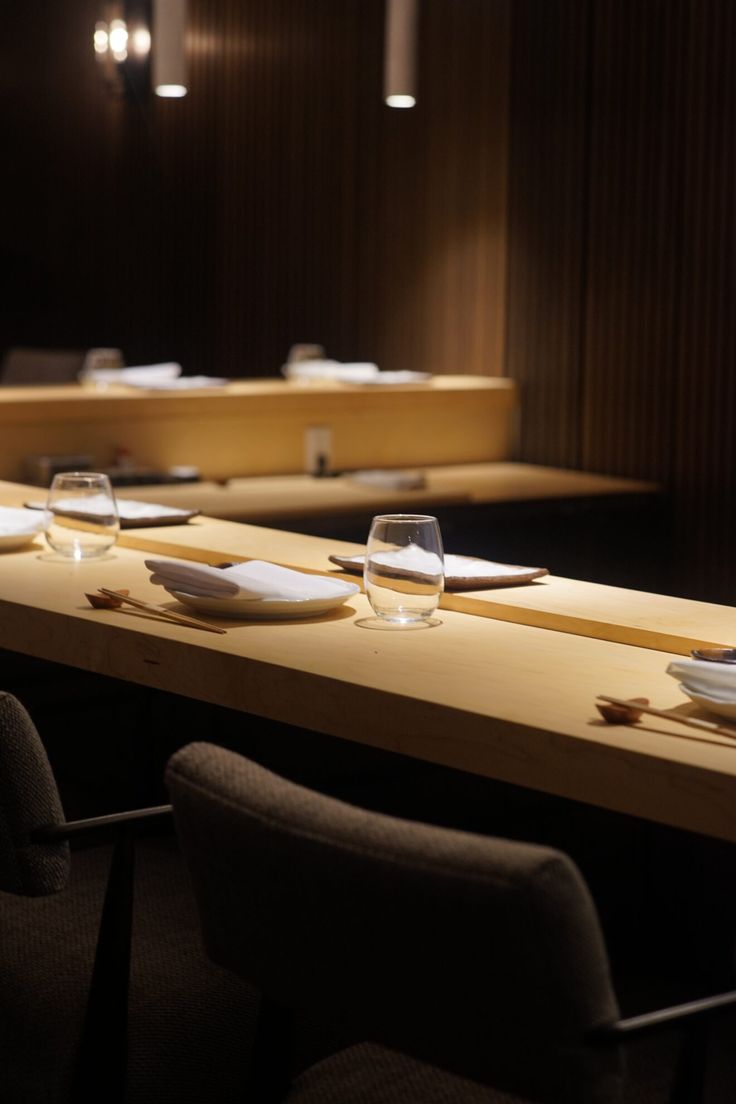
3. Large Japanese Restaurant Design
Larger spaces provide the opportunity to create a grand and immersive experience.
Design Tips:
Grand Entrance: Create an impressive entrance with a Torii gate or a grand wooden door. A pathway with lanterns or a small bridge over a koi pond can add to the ambiance.
Diverse Seating Options: Offer a variety of seating options, including regular tables, tatami rooms, and a sushi bar. Private dining rooms can provide exclusivity for groups.
Art and Culture: Dedicate space to display Japanese art, including murals, large-scale paintings, or a feature wall with a traditional Japanese theme.
Natural Elements: Incorporate natural elements like water features, indoor gardens, and rock arrangements to bring a sense of nature inside.
Lighting: Use a mix of chandeliers, pendant lights, and wall sconces to create a well-lit yet cozy environment.
Style Ideas:
Kaiseki Experience: Design the restaurant to reflect the traditional multi-course dining experience with individual rooms and meticulous decor.
Contemporary Japanese: Blend contemporary design with Japanese aesthetics. Use modern furniture, bold colors, and cutting-edge technology like interactive tables.


