How to choose the right tableware for a Japanese restaurant according to the characteristics of the material?
Source:
|
Author:Yuki
|
Published time: 2024-05-24
|
87 Views
|
🔊 Click to read aloud
❚❚
▶
|
Share:
Choosing the right tableware for a Japanese restaurant is crucial as it not only affects the dining experience but also complements the aesthetic appeal of the cuisine. The characteristics of the material play a significant role in this selection process. Here’s a detailed guide to help you make the best choice
1. Porcelain
Characteristics:
Durability: Highly durable and resistant to chipping and cracking.
Appearance: Smooth, white, and often translucent.
Heat Retention: Good at retaining heat, keeping food warm longer.
Best For:
Characteristics:
Strength: Strong and less prone to breaking.
Texture: Slightly heavier and more rustic in appearance.
Insulation: Excellent at maintaining food temperature.
Best For:
Casual and traditional Japanese settings.
Dishes like ramen, tempura, and donburi.
Creating a homely and earthy ambiance.
3. Earthenware
Characteristics:
Porosity: More porous, requiring a glaze to make it waterproof.
Rustic Appeal: Often has a handmade, rustic look.
Heat Sensitivity: Can withstand high temperatures but is more susceptible to thermal shock.
Best For:
Traditional dishes like nabemono (hot pot).
Casual dining with an emphasis on authenticity.
Serving dishes that benefit from a rustic presentation.
4. Lacquerware
Characteristics:
Lightweight: Easy to handle and often used for bowls and trays.
Elegant Finish: Glossy and colorful, adding a traditional Japanese touch.
Durability: Resistant to water and heat when properly maintained.
Best For:
Serving soups, rice, and bento boxes.
Enhancing the traditional and ceremonial dining experience.
Adding a touch of elegance and color to the table setting.
5. Bamboo
Characteristics:
Eco-friendly: Sustainable and biodegradable.
Lightweight and Flexible: Easy to handle and transport.
Natural Aesthetic: Provides a natural and traditional look.
Best For:
Serving sushi, sashimi, and appetizers.
Creating an eco-friendly and authentic dining experience.
Outdoor and casual dining settings.
6. Glass
Characteristics:
Clarity: Offers a clear view of the dish, ideal for artistic presentations.
Non-porous: Does not absorb flavors or odors, easy to clean.
Heat Resistance: Can withstand high temperatures but is fragile.
Best For:
Serving cold dishes and desserts.
Highlighting the visual appeal of artistic cuisine.
Modern and contemporary dining settings.
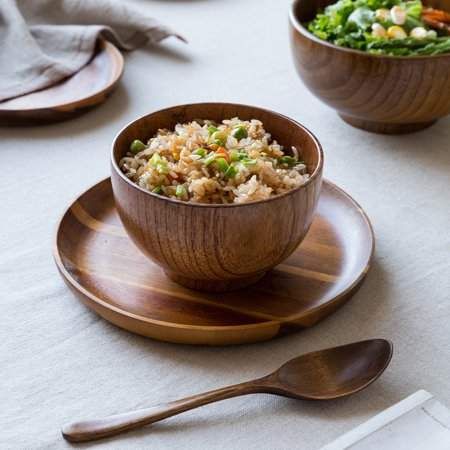
7. Wooden
Characteristics:
Natural Feel: Provides a warm and organic look.
Insulation: Does not retain heat or cold, making it suitable for various dishes.
Durability: Can be durable but requires proper maintenance to prevent cracking and staining.
Best For:
Serving traditional Japanese sweets and snacks.
Enhancing the authenticity of the dining experience.
Creating a warm and inviting atmosphere.


