Understand the Market
Research Local Preferences
Understanding local food preferences and dining habits is crucial. Conduct thorough market research to identify popular cuisines, dining trends, and customer expectations.
Analyze Competitors
Study successful restaurants in your target area. Analyze their menus, pricing, marketing strategies, and customer reviews to identify gaps and opportunities.
Develop a Business Plan
Define Your Concept
Create a clear and compelling restaurant concept that resonates with the local market. Consider themes, cuisine, ambiance, and service style.
Financial Planning
Prepare a detailed financial plan, including startup costs, operating expenses, pricing strategy, and revenue projections. Secure funding through investors, loans, or personal savings.
Acquire Necessary Skills
Culinary Expertise
If you’re not a chef, hire one with experience in the cuisine you plan to offer. Ensure they can adapt recipes to local tastes.
Business Management
Learn essential business management skills, including accounting, marketing, and customer service. Online courses, workshops, and mentorship programs can be valuable resources.
Cross-Cultural Communication
Effective communication is key when operating in a different country. Learn the local language and cultural nuances to build strong relationships with staff, customers, and suppliers.
Navigate Legal Requirements
Licensing and Permits
Obtain all necessary licenses and permits to operate a restaurant in the target country. This may include health and safety certifications, alcohol licenses, and business registration.
Compliance with Local Laws
Ensure your restaurant complies with local labor laws, tax regulations, and food safety standards. Consult with a local attorney or business advisor for guidance.
Find the Perfect Location
High Foot Traffic Areas
Choose a location with high foot traffic, such as busy streets, shopping centers, or tourist attractions. Visibility and accessibility are key factors in attracting customers.
Lease Negotiation
Negotiate favorable lease terms, considering factors like rent, lease duration, and property maintenance. Work with a local real estate agent to navigate the process.
Design and Decor
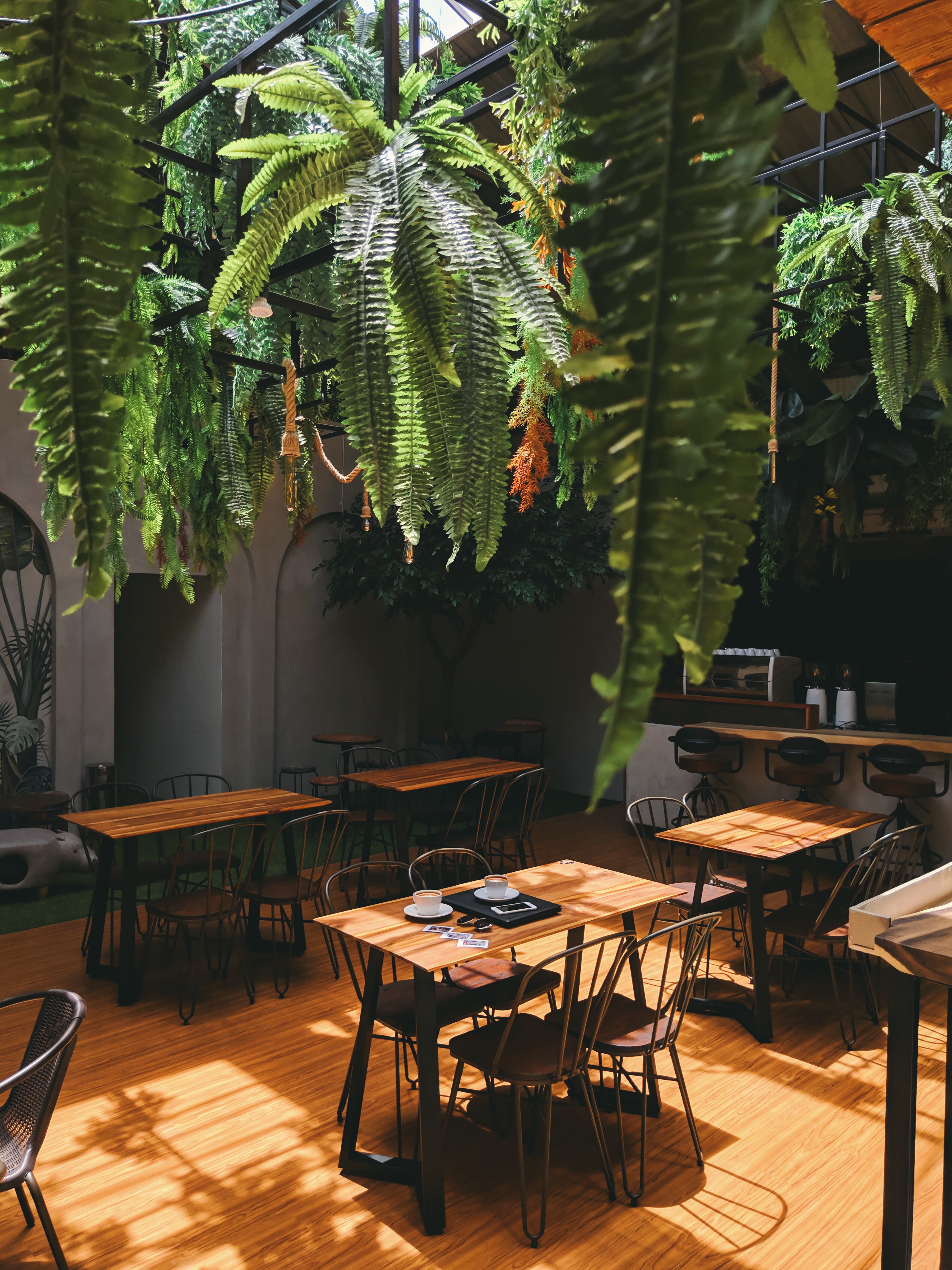
Create an Inviting Ambiance
Design your restaurant to create a welcoming and memorable dining experience. Pay attention to lighting, seating arrangement, and decor elements that reflect your concept.
Invest in Quality Equipment
Equip your kitchen with high-quality appliances and tools to ensure efficiency and consistency in food preparation. Factor in the cost of maintenance and replacements.
Build a Strong Team
Hiring Local Talent
Hire experienced local staff who understand the market and can provide excellent customer service. Provide comprehensive training to align them with your restaurant’s standards.
Staff Retention
Implement strategies to retain your staff, such as competitive salaries, benefits, and a positive work environment. Happy employees contribute to better customer experiences.
Marketing and Promotion
Local Advertising
Utilize local advertising channels, including newspapers, radio, and social media platforms. Create targeted campaigns to attract your desired customer base.
Online Presence
Build a strong online presence through a user-friendly website and active social media profiles. Engage with customers by posting updates, promotions, and responding to reviews.
Partnerships and Events
Partner with local businesses and participate in community events to increase visibility. Offer promotions or host events to draw in new customers.
Monitor and Adapt
Customer Feedback
Regularly collect and analyze customer feedback to identify areas for improvement. Adapt your menu, service, and marketing strategies based on this feedback.
Financial Performance
Monitor your financial performance closely. Use accounting software to track expenses, revenues, and profitability. Adjust your strategies to optimize performance.


